
Don't Refer to It as a Toyota: The GR GT Is a V8 Hybrid Racing Car for the Streets
The latest car news and reviews, no nonsense.
Our complimentary daily newsletter delivers essential stories straight to you every weekday.
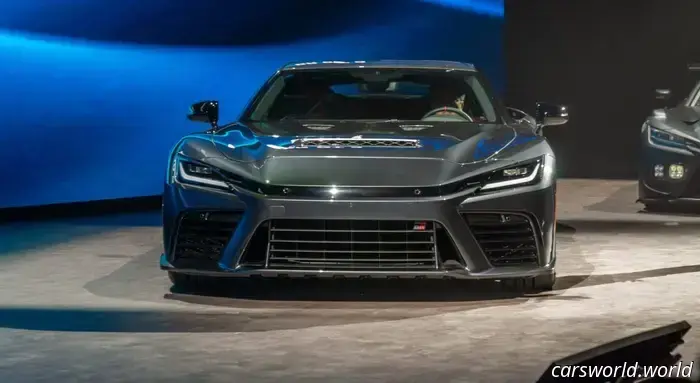
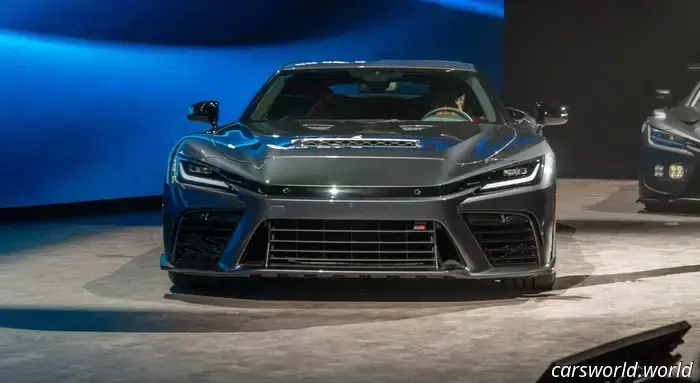
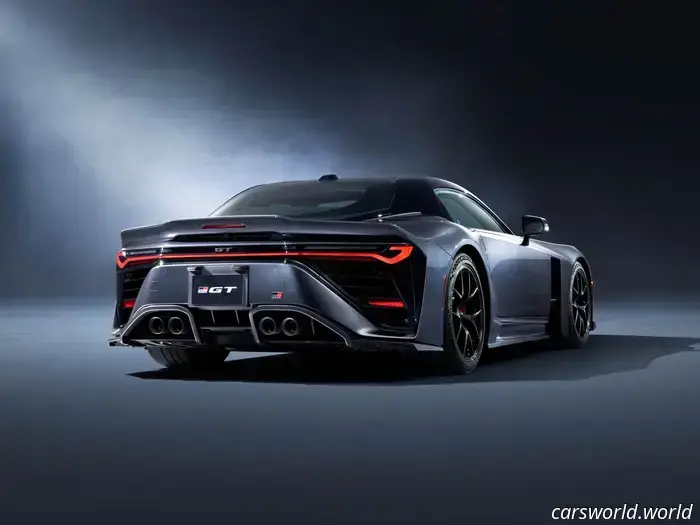
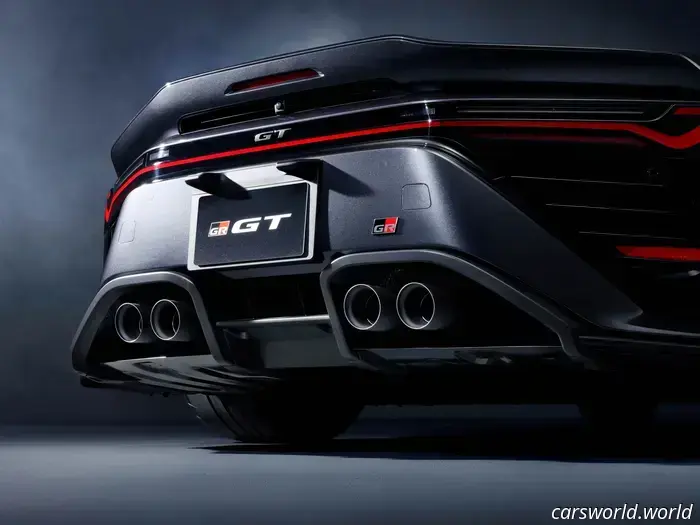
Toyota has introduced its new flagship sports car, and it turns out the speculation about it featuring a Lexus emblem was exaggerated. There is no Lexus logo present, and in fact, it doesn’t even carry a Toyota badge. It's branded as a GR.
The GR GT was unveiled on Friday morning in Japan at the automaker’s Woven City facility near Fuji Speedway, alongside a GR GT3 racing model and a conceptual electric Lexus LFA.
The GR GT, which is officially a prototype still in development, is anticipated to launch around 2027, marking a series of milestones for the Toyota group, including a new twin-turbo V8 hybrid engine and an aluminum chassis.
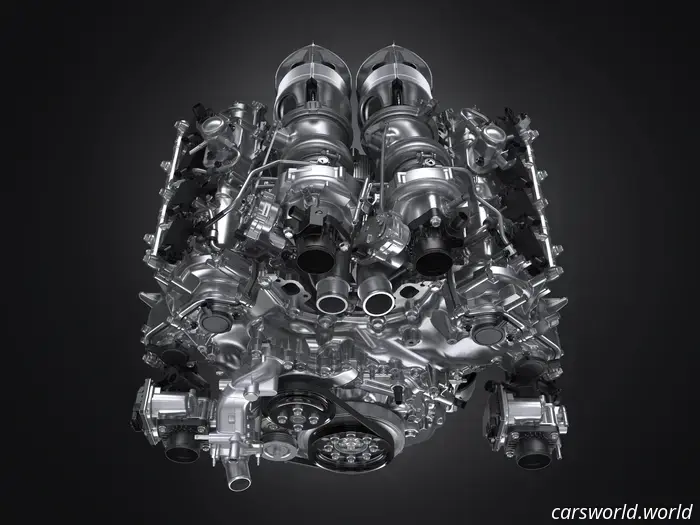
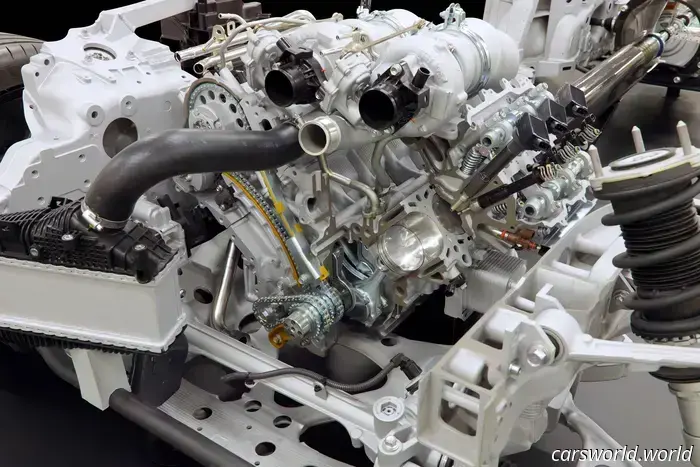
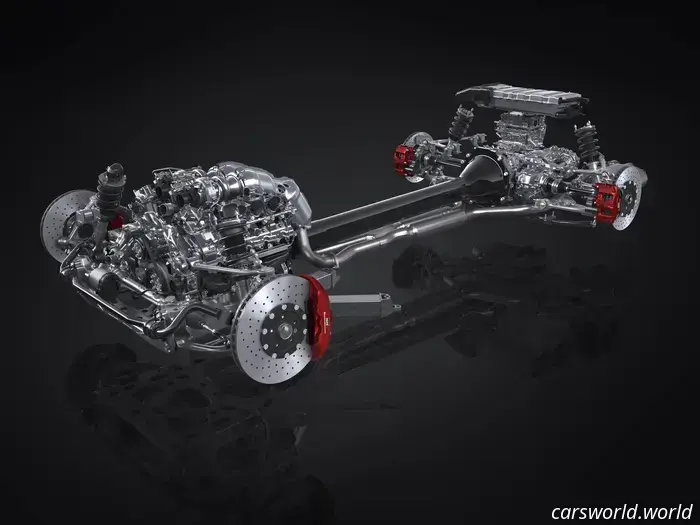
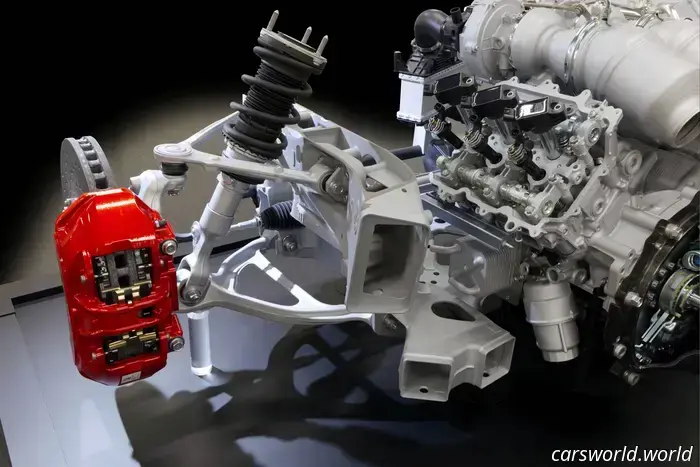
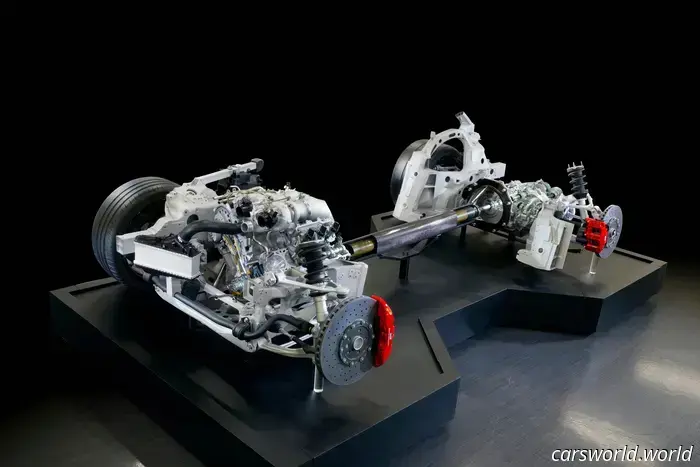
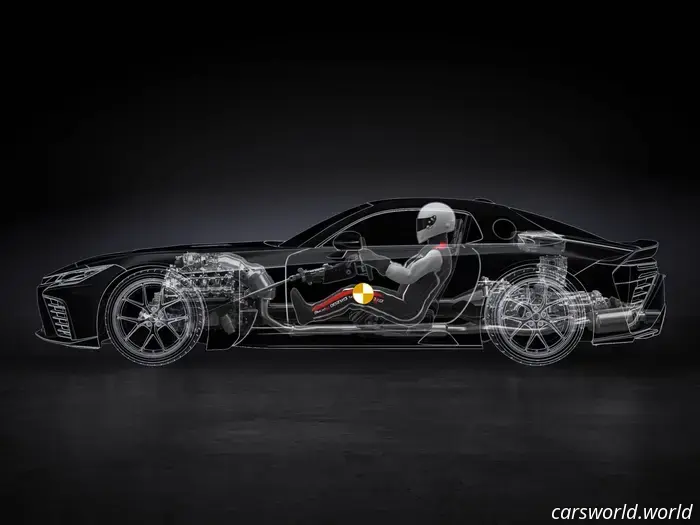
Specifications are not finalized yet, but hidden beneath the carbon fiber and aluminum exterior is a new 4.0-liter twin-turbo V8 engine that utilizes dry-sump lubrication. Toyota indicated that the design for this newly developed engine centered on achieving a low center of gravity and lightweight construction, resulting in a bore and stroke of 87.5 x 83.1 that minimizes the engine’s height. The two turbos are arranged in a “hot-V” layout, similar to other premium turbocharged V8 engines. Toyota aims for at least 641 horsepower and 627 lb-ft of torque. While a 0-60 mph time has not been revealed, the GR GT is predicted to reach a top speed of 199 mph or more.
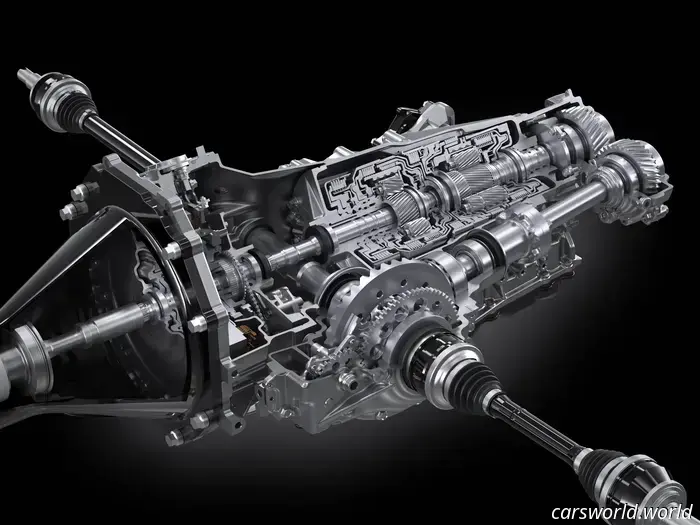
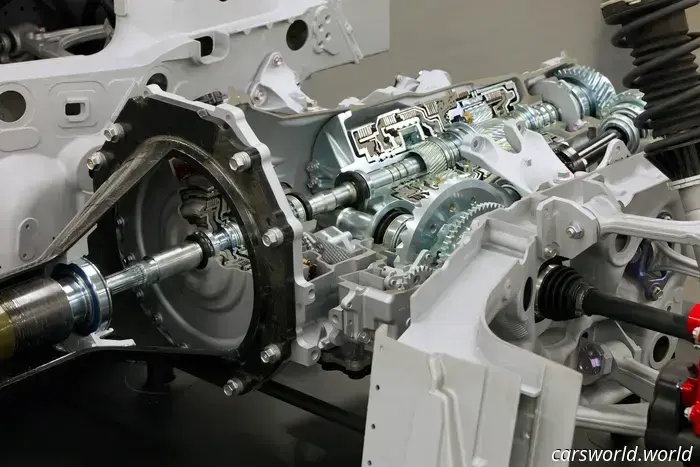
Power is transmitted through a carbon fiber driveshaft to an 8-speed automatic transaxle. An electric motor placed between the driveshaft and transmission acts as a torque filler to replace the torque converter, ensuring smooth gear shifts and seamless power delivery. A battery pack situated above the transaxle powers this electric motor. The vehicle features a mechanical limited-slip differential to optimize power delivery. To maintain a compact wheelbase, Toyota is employing a canonical gear to reverse power direction, similar to the drivetrain setup in all-wheel-drive supercars. However, the GR GT is exclusively rear-wheel-drive.
Toyota has stated that the complete configuration provides a weight distribution of 45:55. Although the GR GT is classified as a front-engine, rear-wheel-drive vehicle, the V8 engine is positioned entirely behind the front axle, making it more akin to a front-mid-engine design.
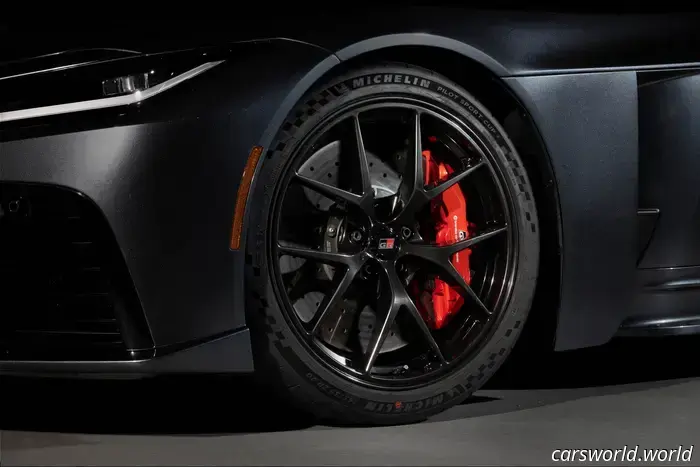
Standard equipment includes Michelin Pilot Sport Cup 2 tires, which are nearly street-legal racing slicks developed specifically for the GR GT. Behind the wheels, substantial Brembo carbon ceramic brake rotors are paired with large calipers, but further details about the brakes are not currently available.
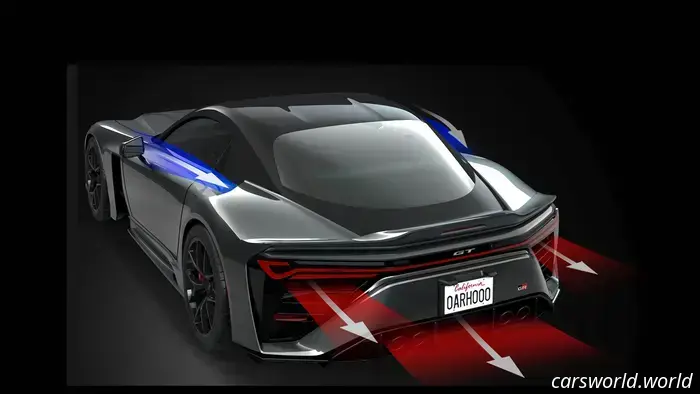
Unlike the Lexus LFA, which had its V10 engine and exhaust notes fine-tuned by Yamaha, no such collaboration exists for the GR GT. However, Toyota mentioned that the exhaust pipes of the GR GT are designed to produce a sound that fits the vehicle. We will reserve our impressions until we hear it live.
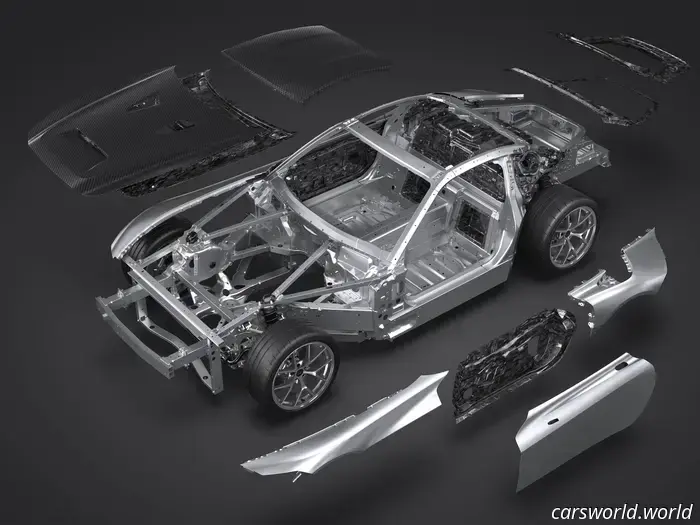
The entire chassis is new; it has been specially created for the GT3 model and adapted for the street version, with both being developed side by side, constructed from aluminum. This marks a first for Toyota and helps reduce weight while enhancing rigidity and managing costs compared to using a carbon fiber tub. The body panels comprise a mix of aluminum and carbon fiber, though Toyota has not specified which are made from which material. The GR GT is expected to weigh no more than 3,858 pounds. Measuring 15.8 feet in length, it is roughly 10 inches longer than a Porsche 911, yet comparable in length to a Mercedes-AMG GT Coupe.
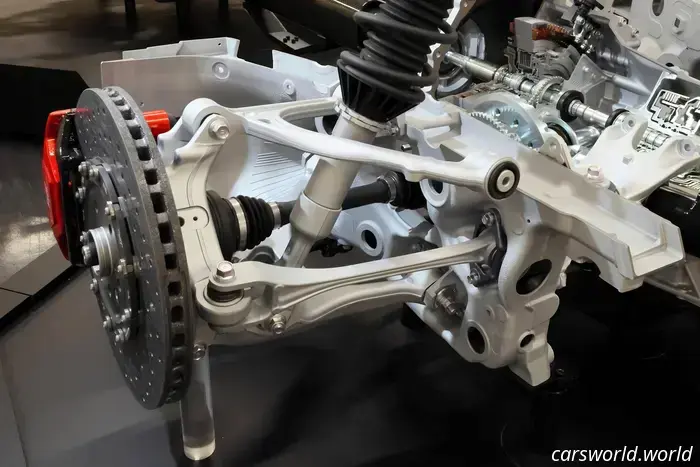
The suspension systems for both the GR GT and GR GT3 were designed concurrently, featuring low-mounted double wishbones made from forged aluminum at both ends.
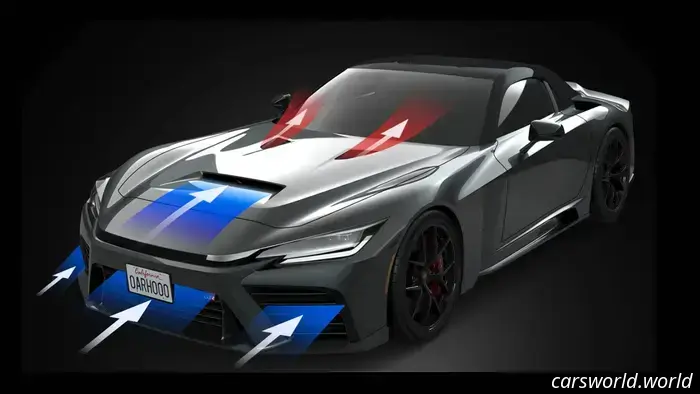
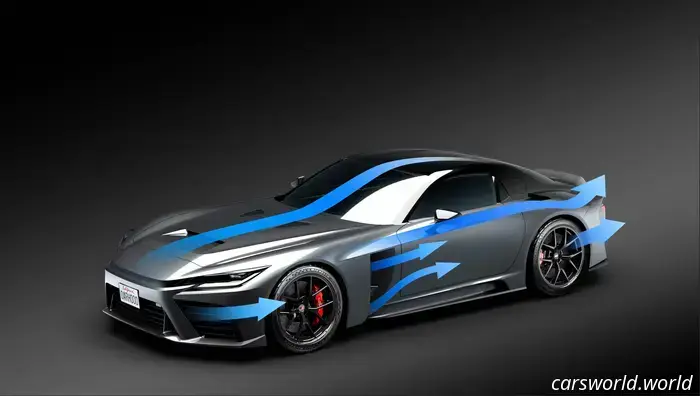
The exterior has been designed with aerodynamics in mind. Toyota stated that designers and aerodynamic engineers collaborated on the GR GT’s body to prioritize airflow and cooling performance over mere aesthetics.
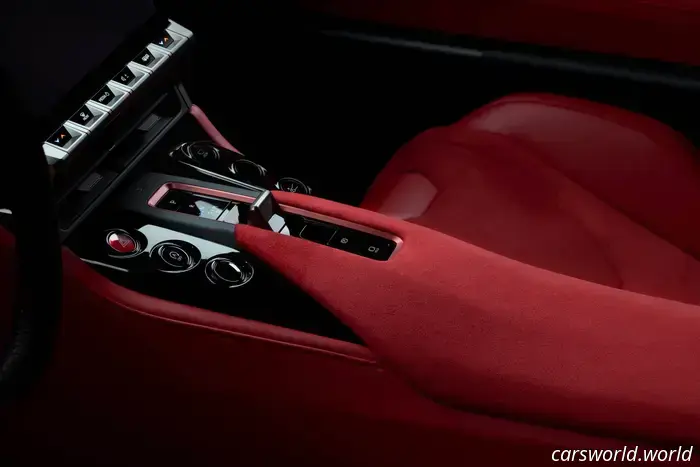
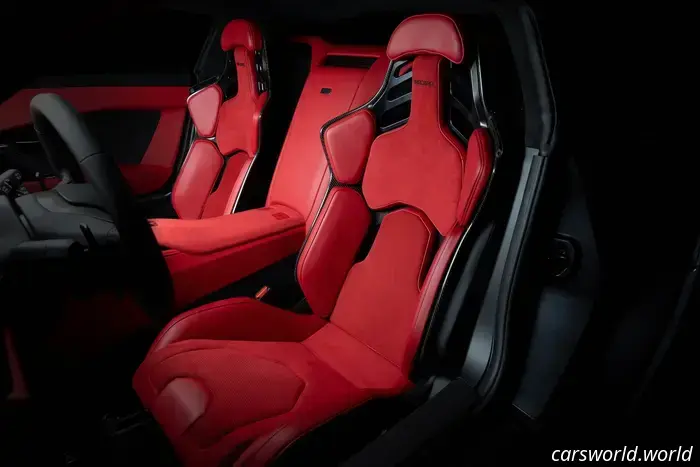
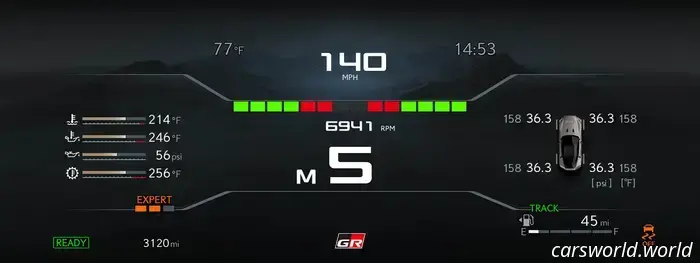
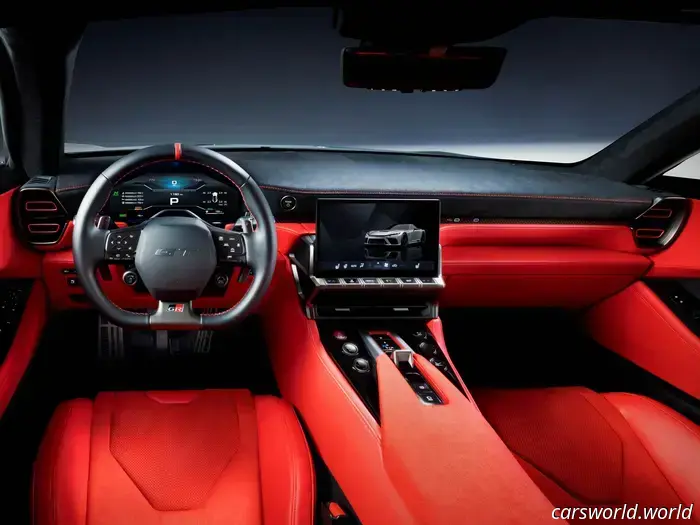
Inside, the GR GT is strictly a two-seater and does not have a 2+2 configuration. The design emphasizes ergonomics for visibility on the track and ease of vehicle control. It includes robust toggle switches for some climate control and infotainment functions located below a large touchscreen, while drive modes and traction control are adjusted using knobs on the steering wheel.
Toyota has not disclosed the pricing for the GR GT upon its arrival, but a significant six-figure price tag around $225,000 is anticipated.
Toyota sponsored The Drive's travel and accommodation for this firsthand report.
Other articles
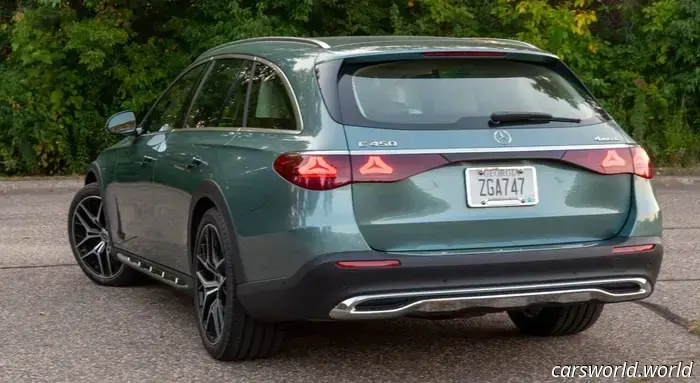 Trump Administration Suggests Station Wagons Might Return: TDS
The reasoning? Easing fuel economy standards might "enable" automakers to start producing station wagons again.
Trump Administration Suggests Station Wagons Might Return: TDS
The reasoning? Easing fuel economy standards might "enable" automakers to start producing station wagons again.
 Quebec Will Reduce Your License Fees If You Are a Safe Driver, While Others Will Bear the Cost | Carscoops
The fees pertain to license renewals and impact all residents in some manner.
Quebec Will Reduce Your License Fees If You Are a Safe Driver, While Others Will Bear the Cost | Carscoops
The fees pertain to license renewals and impact all residents in some manner.
 The Unexpected Explanation for Suzuki's Decision Not to Produce a Jimny Pickup | Carscoops
Suzuki seems to have shelved the concept of a more practical Jimny version featuring a rear bed, at least for the time being.
The Unexpected Explanation for Suzuki's Decision Not to Produce a Jimny Pickup | Carscoops
Suzuki seems to have shelved the concept of a more practical Jimny version featuring a rear bed, at least for the time being.
 Blank Digital Displays and Malfunctioning Airbags Lead to Ram Recalls | Carscoops
More than 72,500 trucks have instrument clusters that may go blank either upon starting or during operation.
Blank Digital Displays and Malfunctioning Airbags Lead to Ram Recalls | Carscoops
More than 72,500 trucks have instrument clusters that may go blank either upon starting or during operation.
 Toyota Customer Claims A Standard Pickup Resulted In A Life-Altering Injury | Carscoops
A customer is suing a Massachusetts dealership and a door manufacturer following a reported malfunction of a service bay door that resulted in serious head and brain injuries.
Toyota Customer Claims A Standard Pickup Resulted In A Life-Altering Injury | Carscoops
A customer is suing a Massachusetts dealership and a door manufacturer following a reported malfunction of a service bay door that resulted in serious head and brain injuries.
 A Significant Transformation Is Occurring Within Audi’s Electric SUVs And It’s More Than Just The Battery | Carscoops
The refreshed crossover and crossover coupe are set to launch next year, featuring updated styling and bigger displays.
A Significant Transformation Is Occurring Within Audi’s Electric SUVs And It’s More Than Just The Battery | Carscoops
The refreshed crossover and crossover coupe are set to launch next year, featuring updated styling and bigger displays.
Don't Refer to It as a Toyota: The GR GT Is a V8 Hybrid Racing Car for the Streets
The long-anticipated flagship from GR was created from the ground up in parallel with its racing version. And no—it doesn’t carry a Toyota or Lexus emblem.