
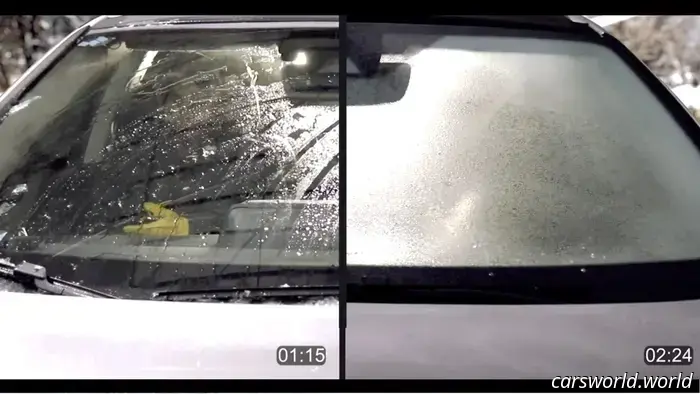
See This Advanced Windshield Remove Ice Almost Instantly
Betterfrost via YouTube, edited by the author
The latest car news and reviews, no nonsense
Our daily newsletter is free and delivers the stories that truly matter to you every weekday.
Most vehicles rely on engine coolant heat to blow warm air from dashboard vents to clear ice off windshields during winter. Some models feature small heated lines across the glass. Yet, I recently discovered a Canadian company with an innovative windshield de-icing solution that doesn't need engine heat, making it especially effective for electric vehicles, but also applicable to various situations where ice needs to be removed.
Ontario-based Betterfrost has been publicly active since 2020 and won the 2022 "Create the Future Design Contest" in the Automotive/Transportation category. A collaboration with major automotive parts supplier Denso was announced in 2024. This week, it caught our attention through Automotive News Canada, which suggests that more car manufacturers may be interested in implementing this technology.
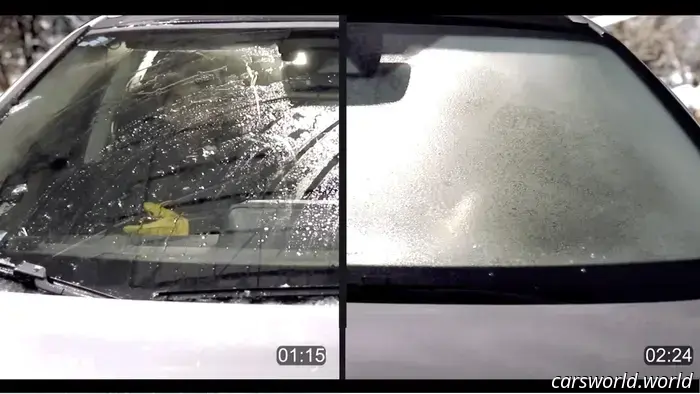
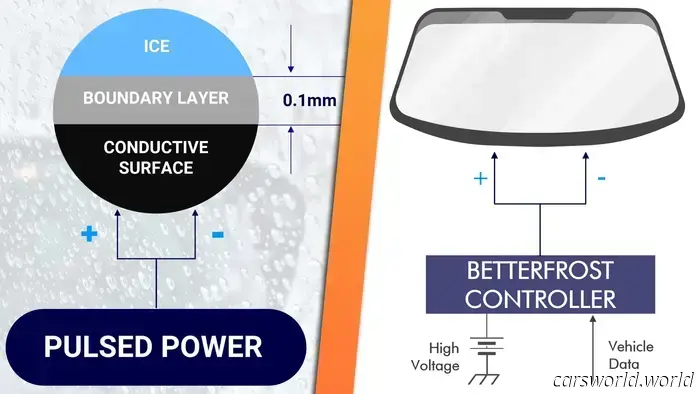
Betterfrost refers to its technology as “pulsed electro-thermal deicing (PETD).” By using a combination of sensors and targeted heat application, the concept is to melt only a thin layer of ice to break its bond with the surface. Once this layer turns to water, larger pieces of ice come off much more easily. This method could be termed as concentrated penetration—by efficiently targeting just a thin layer of ice, this technology reportedly defrosts a windshield much faster than traditional air-blasting techniques.
Betterfrost, edited by the author
This technology is effective on other conductive surfaces as well—Betterfrost has also tested it on airplane wings and coil tubes.
The system operates via a computer chip that manages the process, working alongside low-emissivity glass coatings that enable electrical pulses.
AN Canada highlighted comments from CEO Derrick Redding, who mentioned that this method uses "95 to 99 percent less energy than HVAC deicing." Benefits have been quantified to extend "the range of an EV by 38 km [approximately 24 miles] during an average winter commute. This range translates to $600 per vehicle in battery pack costs for automakers." However, these figures are from 2022, so they might have changed. Nevertheless, it appears to be a promising solution, not only for EVs but for any situation where ice accumulation can be problematic.
While much of Betterfrost’s promotional content focuses on electric vehicles, I believe it could also be effectively applied to gasoline cars. Personally, I dislike waiting for my engine to warm up before using the defroster, even during the relatively mild winters of Hudson Valley, New York.
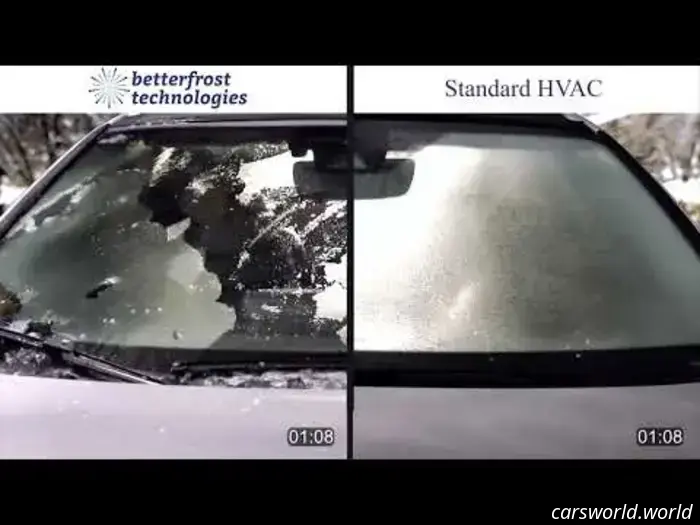
Betterfrost has collaborated with the Ice Research Laboratory at Dartmouth College in New Hampshire to refine the science of melting ice. Here’s a demonstration showcasing the effectiveness of its melting capabilities using a Lexus RX:
Betterfrost Defrost Demo Video
Have a tip? Reach out to us at [email protected].
Other articles
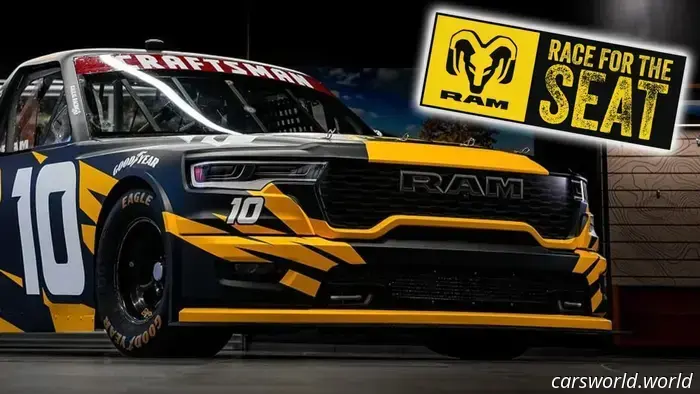 Ram Is Transforming the Search for Its Next NASCAR Driver into a Reality Show.
It's similar to UFC's The Ultimate Fighter, but focused on NASCAR.
Ram Is Transforming the Search for Its Next NASCAR Driver into a Reality Show.
It's similar to UFC's The Ultimate Fighter, but focused on NASCAR.
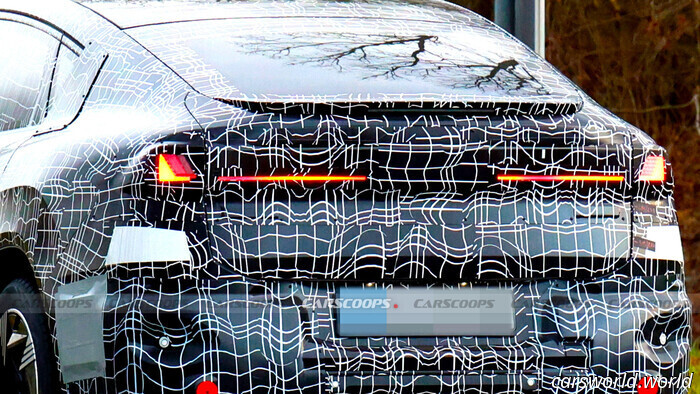 BMW's New Electric Coupe SUV Is Targeting the Model Y | Carscoops
The iX4 offers a coupe-inspired aesthetic and impressive performance to BMW's electric SUV range, providing a more streamlined option compared to the iX3.
BMW's New Electric Coupe SUV Is Targeting the Model Y | Carscoops
The iX4 offers a coupe-inspired aesthetic and impressive performance to BMW's electric SUV range, providing a more streamlined option compared to the iX3.
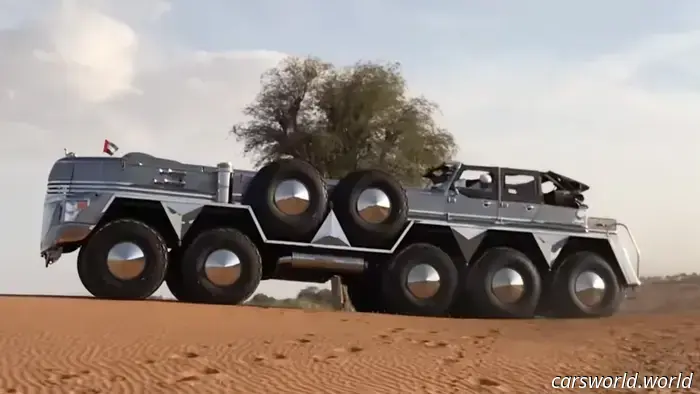 This 10-wheeled Sheikh-Mobile is my least preferred car in the world.
Someone attached components from a Jeep Wrangler, Ford Super Duty, and Dodge Charger onto a military truck chassis to create this disturbingly unattractive desert vehicle.
This 10-wheeled Sheikh-Mobile is my least preferred car in the world.
Someone attached components from a Jeep Wrangler, Ford Super Duty, and Dodge Charger onto a military truck chassis to create this disturbingly unattractive desert vehicle.
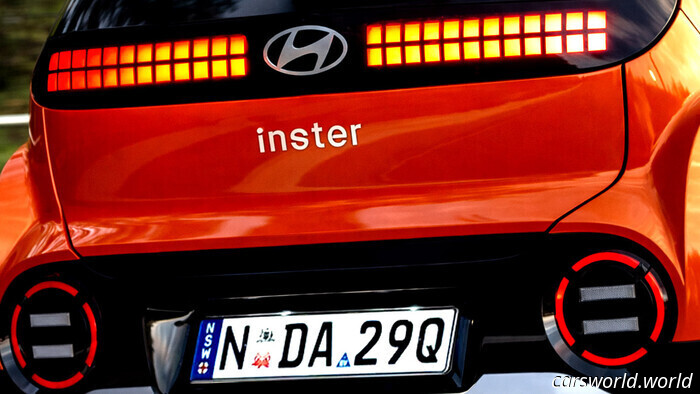 Hyundai Cuts $7,000 Off Its Smallest Electric Vehicle, Yet It Remains $10,000 More Expensive Than Its Chinese Competitor | Carscoops
Sales of the Hyundai Ioniq and Kona Electric in Australia have been sluggish, and reducing prices may help stimulate demand.
Hyundai Cuts $7,000 Off Its Smallest Electric Vehicle, Yet It Remains $10,000 More Expensive Than Its Chinese Competitor | Carscoops
Sales of the Hyundai Ioniq and Kona Electric in Australia have been sluggish, and reducing prices may help stimulate demand.
 All Jeep and Chrysler Plug-In Hybrid Models Have Officially Been Discontinued: Exclusive
The company informed us that this will not affect future range-extended electric models.
All Jeep and Chrysler Plug-In Hybrid Models Have Officially Been Discontinued: Exclusive
The company informed us that this will not affect future range-extended electric models.
 The Cadillac Escalade has reclaimed its status as America's preferred flagship SUV.
In 2025, Cadillac surpassed its nearest competitor once more.
The Cadillac Escalade has reclaimed its status as America's preferred flagship SUV.
In 2025, Cadillac surpassed its nearest competitor once more.
See This Advanced Windshield Remove Ice Almost Instantly
Certainly, Canadians (and Dartmouth College) have superior methods for defrosting windshields.