
Here’s Why the IndyCar Street Course in Detroit is Considered to be Inferior
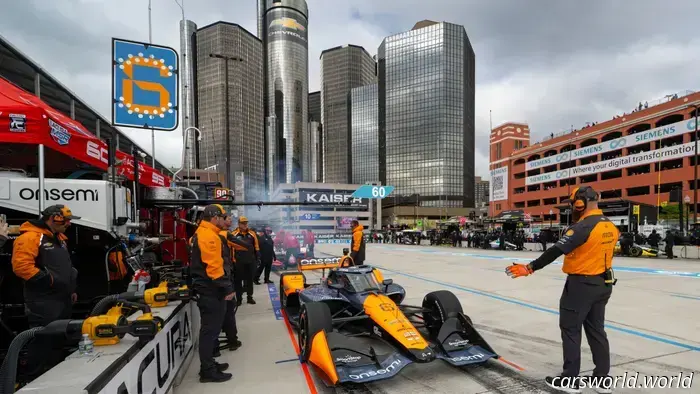
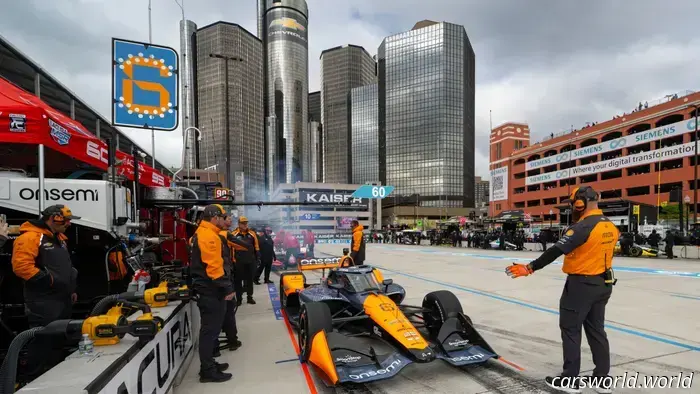
DETROIT, MICHIGAN - MAY 31: #6: Nolan Siegel, Arrow McLaren Chevrolet, before the NTT IndyCar Series Chevrolet Detroit Grand Prix on May 31, 2025, in Detroit, Michigan. Geoff Miller/Lumen via Getty Images
Get The Drive’s daily newsletter
The latest automobile news, reviews, and features.
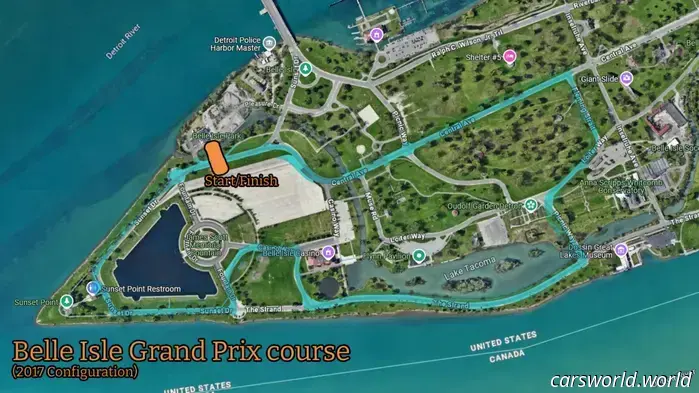
At only 1.7 miles long, the Detroit Grand Prix IndyCar Circuit is the shortest track in the series. As one of the few authentic street courses remaining on the open-wheel calendar, it’s also relatively new—kind of. Downtown hosted the series in the late 1980s and early ’90s (before it was even named IndyCar) before relocating a couple of miles up Jefferson Avenue to Belle Isle. IndyCar recently completed its third race since returning to downtown, which has rejuvenated the event for some, but not all drivers are excited about racing on city streets again.
Pato O’Ward didn’t hold back after his disappointing performance this month: “I hate this place,” he told reporters in the pit lane. “It sucks.”
He isn’t alone. Many drivers have criticized Detroit's street circuit, describing it as bumpy and unforgiving, common concerns for street circuits. Despite recent infrastructure improvements in Michigan, road surface quality will always have room for enhancement due to Detroit’s long-standing maintenance backlog. However, is the situation truly that dire, and if it is, can anything feasible be done to improve it?
O’Ward is among those who hope for the Grand Prix to return to Belle Isle, which hosted the race for many years and features a self-contained venue with fast, flowing turns and better visibility for drivers. However, its location far from Detroit’s downtown business district conflicts with the goals of local business advocates.
“You can really appreciate what an IndyCar can do at Belle Isle, and here you’re just driving in circles the whole time,” he said.
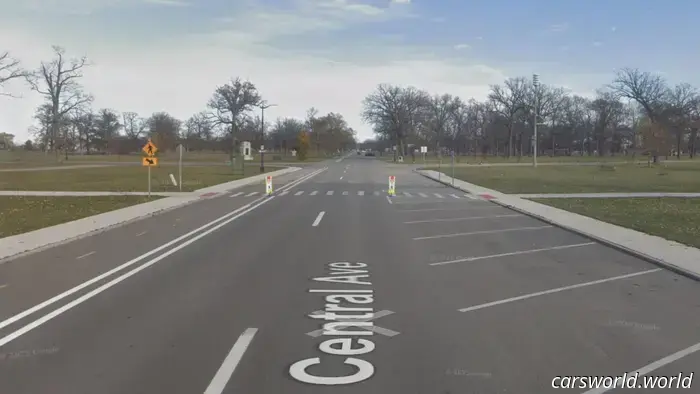
I’ll admit that I’ve never viewed the Belle Isle circuit from the perspective of an open-wheel race car, but on paper, the former park course doesn't provide significant advantages in terms of track width. In many instances, the right-of-ways are actually narrower than those in downtown. For instance, certain sections of the Jefferson Avenue straight are 10-15 feet wider than the old Belle Isle front straight. So why does O’Ward recall it being so much less challenging? To understand that, we need to step outside—or at least utilize Google Earth.
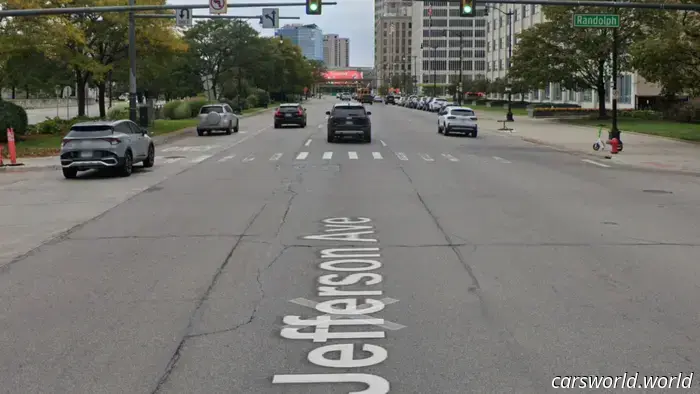
The above image shows a driver's perspective of the longest true straightaway on each course. While Jefferson Avenue in downtown may appear wider in reality, the viewpoint downplays that considerably. The buildings and trees lining the street give the new course a tighter feel, and when barriers and catch fencing are added, that perception intensifies. These images also depict the park's road surface as significantly better than what is found downtown, but remember, these pictures weren't taken at the same time. The image below is current.
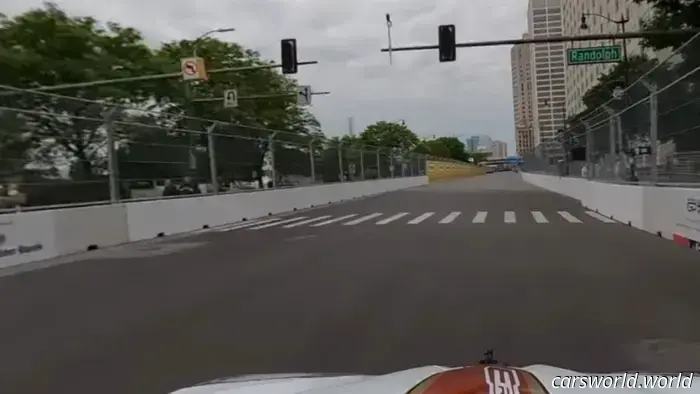
The same perspective, shown from a pace vehicle that drove the course before this year’s race, illustrates that a tricky street course can be enjoyable for spectators who experience slow corners and a closely packed field. However, as thrilling as this seems on the ground, the limited space for safe overtaking diminishes the excitement of the racing itself. When inclement weather is involved, a street course can quickly turn a legitimate race into little more than a costly parade.
Regarding widening the course, Detroit Grand Prix CEO Bud Denker states that the course designers have already claimed as much space as possible, and the trackside walls are already positioned right next to the street curbing. There is simply no more room.
But if widening the course isn't possible, can it be made longer?
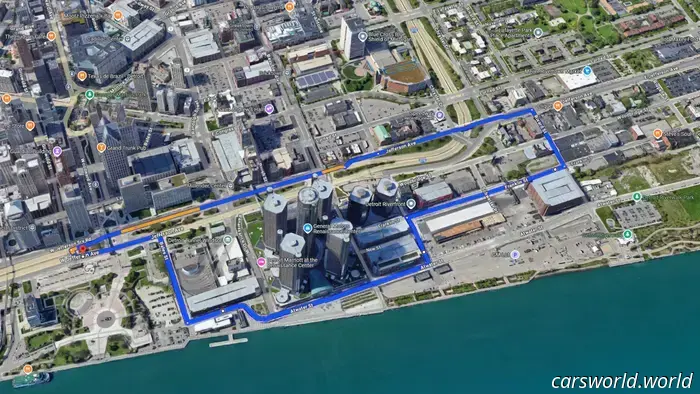
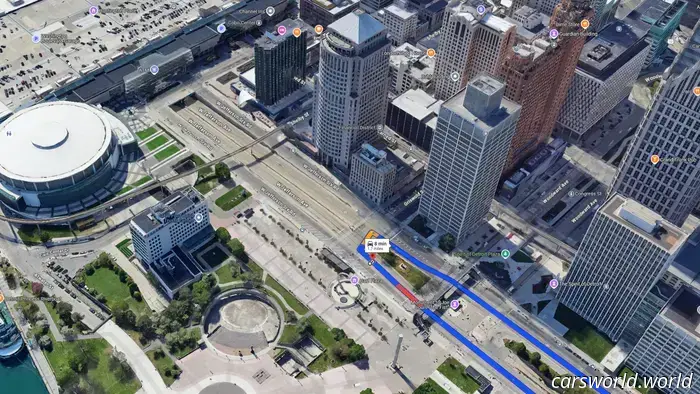
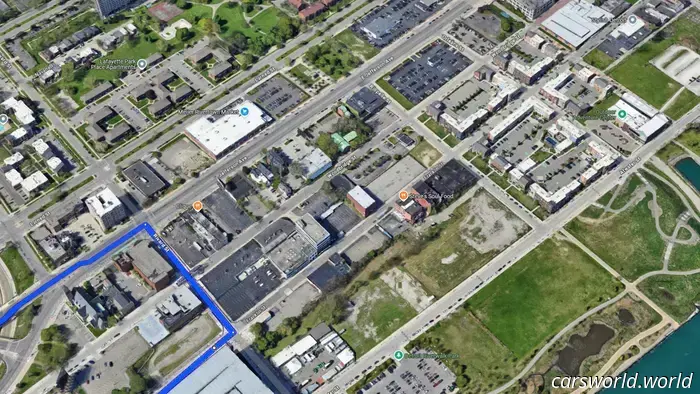
There are several reasons why the Grand Prix course is only as short as it is. Extending the course west would bring the end of the front straight closer to Huntington Place, reducing vital runoff area, or it would require routing the course under the conference center, necessitating race traffic to be funneled through a narrow exit lane onto Jefferson Ave (not ideal) or directing traffic through the I-75 interchange with the Lodge Freeway, meaning both would need to be closed (even worse).
To the east, the challenge is more logistical than physical, according to Denker. The first chance to direct the course north beyond the existing turn at Rivard would be at Riopelle, redirecting it north alongside a new townhome development. Northward from Jefferson lies the famous Lafayette Park residential area, which is not a neighborhood that wants IndyCars racing through, even for just one weekend each year.
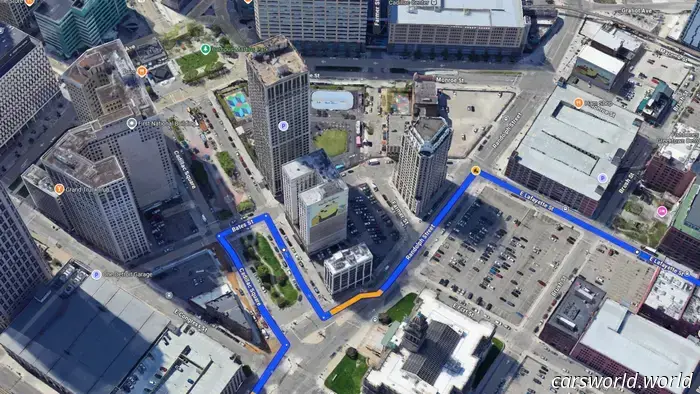
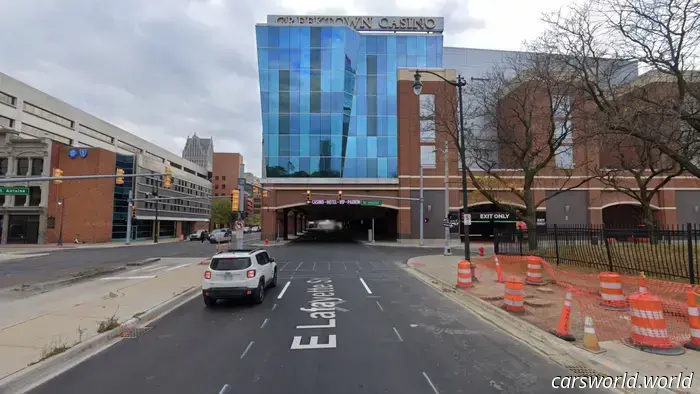
Without an entire relocation of the course, the most feasible expansion for the Detroit Grand Prix would involve a detour deeper into downtown as the course loops back on itself from the east. After crossing I-375, the course could navigate through city streets without affecting major traffic routes, while
Other articles
 You can no longer purchase a new Ford Bronco for less than $40,000.
Ford has announced a new set of price adjustments for the Bronco, which includes a reduction of $10,000 from the MSRP of the Bronco Raptor.
You can no longer purchase a new Ford Bronco for less than $40,000.
Ford has announced a new set of price adjustments for the Bronco, which includes a reduction of $10,000 from the MSRP of the Bronco Raptor.
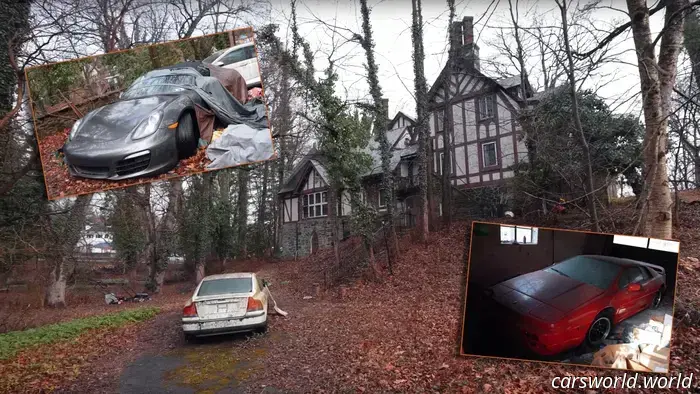 Is this a collection of cars from a strange individual or a site for dumping insurance fraud vehicles?
There has to be a valid explanation for why a Lotus Esprit, Alfa 75, and various other unusual vehicles are deteriorating at this deserted American estate.
Is this a collection of cars from a strange individual or a site for dumping insurance fraud vehicles?
There has to be a valid explanation for why a Lotus Esprit, Alfa 75, and various other unusual vehicles are deteriorating at this deserted American estate.
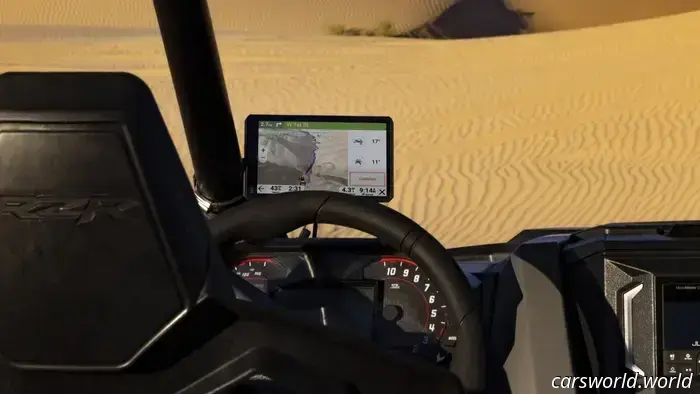 Why I Still Appreciate the Concept of a Portable Dashboard GPS
Dedicated GPS units still hold a relevant position today, provided they are durable enough. Their ideal use is in off-road environments.
Why I Still Appreciate the Concept of a Portable Dashboard GPS
Dedicated GPS units still hold a relevant position today, provided they are durable enough. Their ideal use is in off-road environments.
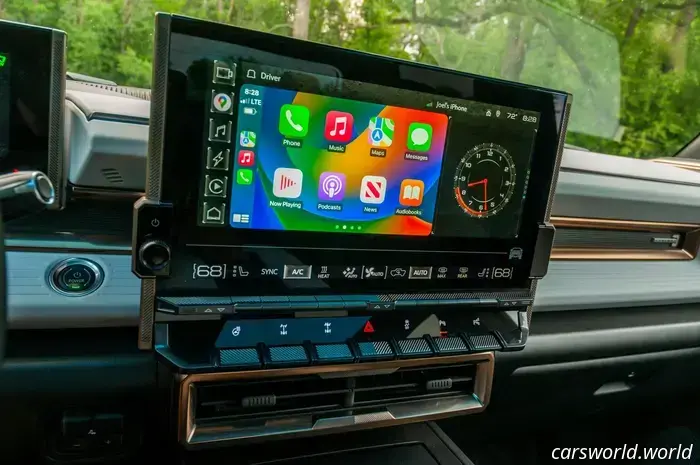 GMC Hummer EV Discreetly Drops Apple CarPlay for 2026
GM is following through on its commitment to eliminate Apple CarPlay support in its electric vehicles.
GMC Hummer EV Discreetly Drops Apple CarPlay for 2026
GM is following through on its commitment to eliminate Apple CarPlay support in its electric vehicles.
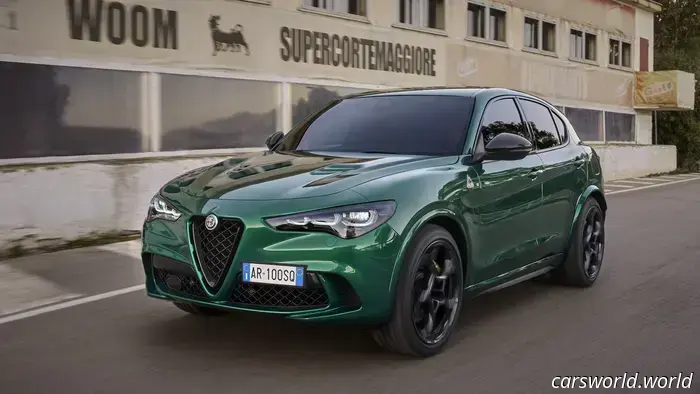 Second-Generation Stelvio Paused as Alfa Romeo Revises EV Strategy
The CEO of Alfa Romeo has stated that the company is “revamping” its initial electric vehicle-only plan to include gasoline and hybrid models, which has resulted in a postponement of the new Stelvio.
Second-Generation Stelvio Paused as Alfa Romeo Revises EV Strategy
The CEO of Alfa Romeo has stated that the company is “revamping” its initial electric vehicle-only plan to include gasoline and hybrid models, which has resulted in a postponement of the new Stelvio.
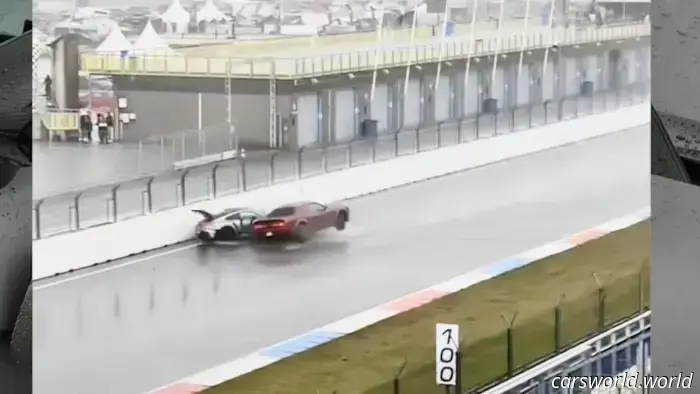 Dodge Challenger Wrecks Porsche 911 GT3 RS in Rainy Track Day Incident
These are two cars that typically don't appear on the track at the same time, and this video explains why.
Dodge Challenger Wrecks Porsche 911 GT3 RS in Rainy Track Day Incident
These are two cars that typically don't appear on the track at the same time, and this video explains why.
Here’s Why the IndyCar Street Course in Detroit is Considered to be Inferior
Pato O'Ward criticized the Detroit GP track following a "frustrating" race experience. He isn't the only one expressing discontent regarding the new street circuit in Motown.