
Sales of luxury cars priced at $100,000 in America are expected to nearly double by 2035, according to Carscoops.
A report indicates that affluent buyers are fueling the growth of the US luxury and exotic car market, which is projected to reach $215 billion in the next decade.
The US luxury car market is on track to hit $215 billion by 2035, with second-hand vehicles priced between $100,000 and $170,000 expected to outpace new car sales in growth.
Younger consumers are frequently shopping and switching brands.
If you've ever pondered why there seems to be an increased number of luxury cars on American roads compared to previous generations, and how people can afford them, it appears this trend is just beginning.
A recent in-depth analysis of the US luxury and exotic car market suggests that the sector, currently valued at approximately $110 billion, could expand to between $180 billion and $215 billion by 2035, depending on future demand and inventory dynamics.
This information comes from a study conducted by Boston Consulting Group (BCG) and duPont Registry Group, which outlines how high-end purchasing habits are evolving. The study anticipates the most significant growth will occur in new and used cars priced between $100,000 and $170,000, with expected annual sales increases of 6-8 percent.
While ultra-luxury and hyper-luxury vehicles valued over $170,000 will also experience growth, it will likely be at a slower rate, possibly due to even the wealthiest Americans' limited garage space for such high-priced vehicles.
High Demand for Used Cars
The largest surge is anticipated in the used car segment. Owing to strong resale values and the fact that luxury cars maintain their appeal longer than standard vehicles, used exotic cars are expected to grow up to one and a half times faster than new ones in the coming decade.
In particular, used luxury and exotic vehicles are projected to increase by approximately 5 to 8 percent per year, while new cars are expected to grow by about 5 to 6 percent.
Buyers who may be hesitant about escalating prices for new luxury models are more inclined to consider lightly used options, as these vehicles change ownership frequently due to their enduring desirability.
The luxury market boom is also being driven by a new generation of consumers who have different shopping habits compared to traditional buyers. Millennials and Gen Z frequently browse listings, compare multiple brands, and show less loyalty to established names in the market.
In fact, around 80 percent of luxury buyers report they search online for cars weekly or daily, often without an immediate intention to purchase.
Additionally, these buyers are more inclined towards digital purchasing, with three-quarters expressing willingness to complete their next transaction entirely online. This trend presents both opportunities and challenges for dealers.
Affluent Market Resilience
Despite challenges such as rising interest rates, inflation, and tariff issues, the report reveals that the high-end market remains surprisingly robust. The shift to electric vehicles is not anticipated to significantly impact the luxury sector, although younger buyers show more enthusiasm for electric luxury vehicles than older consumers.
Across various age demographics, emotional connection strongly influences buying decisions, with approximately one in three buyers citing attachment to a brand or design as their main motivation for choosing a particular car.
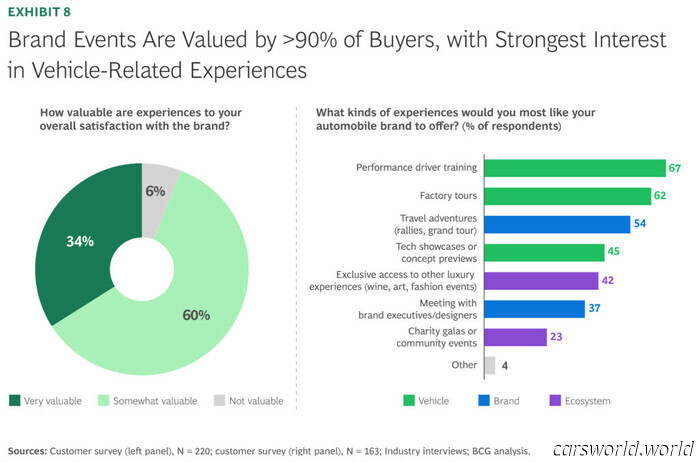
While ownership experiences are becoming increasingly important, the excitement of driving still plays a crucial role in why individuals indulge in these luxury cars. Over 90 percent of buyers state that events and driving experiences hosted by brands enhance their satisfaction with ownership.
For many Americans struggling to afford $30,000 for a new vehicle, the thought of spending six figures on a car remains a distant dream. However, if these forecasts are accurate, the next decade could see a greater presence of exotic cars on American roads than ever before. Eventually, these vehicles may depreciate enough that those of us with more modest budgets can partake in this market, or so we hope.



Other articles
 Porsche racing icon Zwart refers to the East African Safari as 'likely the toughest event I've ever participated in.'
The 70-year-old Porsche enthusiast has experienced it all. So when he claims a rally is challenging, take it seriously.
Porsche racing icon Zwart refers to the East African Safari as 'likely the toughest event I've ever participated in.'
The 70-year-old Porsche enthusiast has experienced it all. So when he claims a rally is challenging, take it seriously.
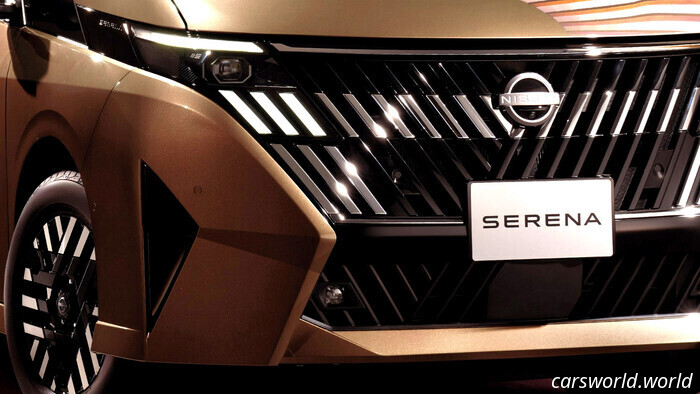 This Nissan Allows You to Select the Size of Your Grille | Carscoops
Nissan updated the Serena with new grilles, technology, and trim options, but only upscale buyers receive the complete redesign and features.
This Nissan Allows You to Select the Size of Your Grille | Carscoops
Nissan updated the Serena with new grilles, technology, and trim options, but only upscale buyers receive the complete redesign and features.
 Why Touchscreens Could Be the Most Hazardous Element in Contemporary Vehicles | Carscoops
Recent studies indicate that using touchscreens significantly impairs driving performance, backing up what drivers have instinctively sensed.
Why Touchscreens Could Be the Most Hazardous Element in Contemporary Vehicles | Carscoops
Recent studies indicate that using touchscreens significantly impairs driving performance, backing up what drivers have instinctively sensed.
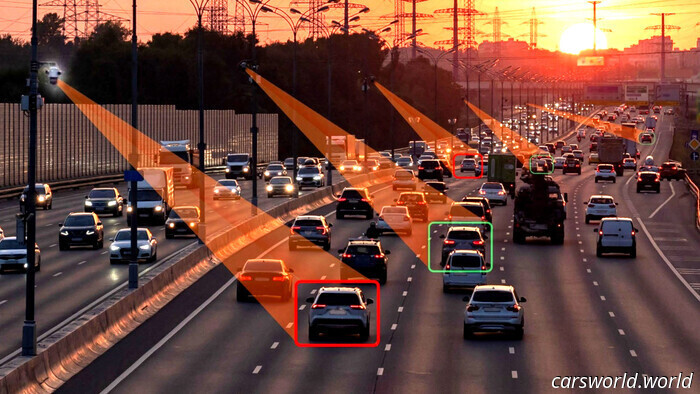 A Legal Plate Sticker That Deceives Police AI Cameras Could Still Land You in Jail in Florida | Carscoops
Although the jammer does not render license plates unreadable to humans, it does render them invisible to AI-enabled cameras, which is something Florida wants to avoid.
A Legal Plate Sticker That Deceives Police AI Cameras Could Still Land You in Jail in Florida | Carscoops
Although the jammer does not render license plates unreadable to humans, it does render them invisible to AI-enabled cameras, which is something Florida wants to avoid.
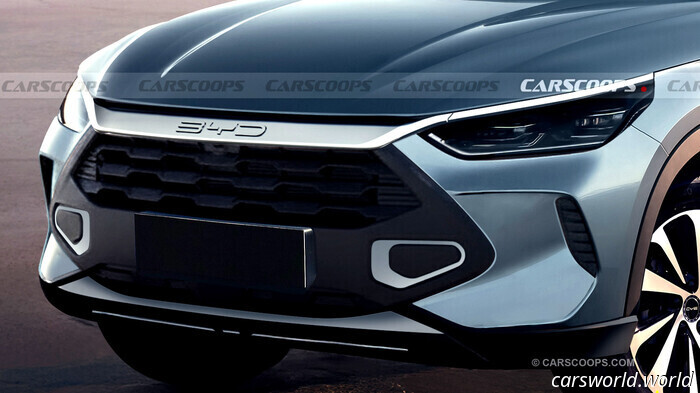 BYD's Baby Shark is China's response to America's Maverick | Carscoops
This unibody truck conceals advanced technology beneath its smooth contours, combining all-wheel drive with BYD's DM-i platform and offering a versatile, SUV-style interior.
BYD's Baby Shark is China's response to America's Maverick | Carscoops
This unibody truck conceals advanced technology beneath its smooth contours, combining all-wheel drive with BYD's DM-i platform and offering a versatile, SUV-style interior.
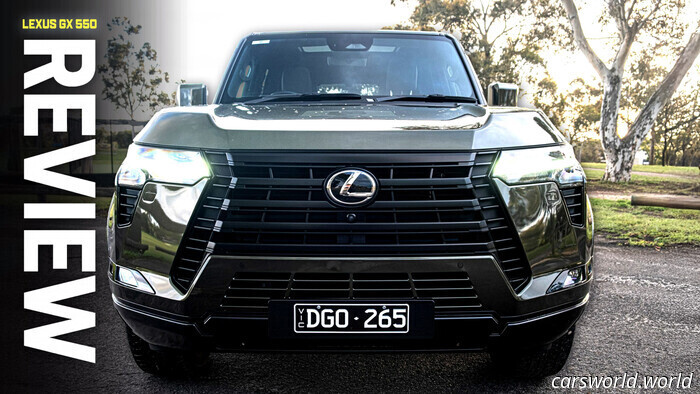 The 2026 Lexus GX 550 May Make G-Wagon Owners Rethink Their Choice | Review | Carscoops
The new Lexus GX 550 might be derived from the Land Cruiser Prado, yet it surpasses it in every aspect.
The 2026 Lexus GX 550 May Make G-Wagon Owners Rethink Their Choice | Review | Carscoops
The new Lexus GX 550 might be derived from the Land Cruiser Prado, yet it surpasses it in every aspect.
Sales of luxury cars priced at $100,000 in America are expected to nearly double by 2035, according to Carscoops.
A report indicates that affluent purchasers are driving the growth of the US luxury and exotic car market, which is expected to hit $215 billion within the next ten years.