

Is Sustainable Racing Truly Feasible? IMSA and Michelin Have a Strategy
Cadillac
The latest news and reviews in the automotive world, no nonsense
Our daily newsletter is free and offers you essential stories every weekday, delivered directly.
At first glance, the term sustainability doesn’t seem to resonate with “auto racing.” While we cherish motorsport, it's undeniably wasteful, consuming fuel, rubber, and other resources, not to mention financial investment, all for the sake of abstract achievement. Nevertheless, as the racing world continues at full speed, what does the coexistence of racing and environmental consciousness actually look like?
Perhaps it's better expressed this way: just as racing has driven genuine engineering progress that has enhanced cars over the years, could the same intense focus that trims fractions of a second from lap times also be harnessed for renewable fuels, tire durability, and energy efficiency? Is it possible to demonstrate that high performance, sustainability, and enjoyment can coexist harmoniously?
IMSA, along with its tire partner Michelin and fuel partner VP Racing Fuels, believes this is achievable. I attended the Petit Le Mans at Road Atlanta last month to explore their perspective on why motorsport serves as an ideal testing ground for sustainability, aimed at enthusiasts. It’s easy to be skeptical about ambitious claims, such as Michelin’s goal of producing 40 percent of its 200 million tires annually from renewable materials by 2030, or VP Racing Fuels’ development of a completely petroleum-free racing fuel that matches traditional gasoline performance. However, significant progress is already being made.
Cadillac Fred Hardy II
The key question remains: will it lead them in the direction they assert?
Innovative Concepts
IMSA stands as the largest sports car racing governing body in North America, Michelin is the top tire manufacturer globally, and the two have recently renewed their partnership for another decade. Michelin will continue as the Official Tire of IMSA through the 2035 season, and both organizations have pledged to enhance material sustainability and lower their carbon footprint. They appear genuinely committed and ambitious in their endeavors.
IMSA has already made strides to boost sustainability and lessen its dependence on non-renewable materials. This initiative began with the introduction of the hybrid-electrified Grand Touring Prototype (GTP) class in 2023—the first of its kind in North American professional motorsports featuring hybrid-powered race cars. The GTP vehicles comply with IMSA’s LMDh and the Automobile Club de l’Ouest’s Le Mans Hypercar regulations, making them eligible for the Hypercar class in the FIA World Endurance Championship (WEC). Similarly, WEC’s LMH prototypes are now eligible for the GTP class of IMSA’s WeatherTech Championship.
The more impactful news is that in the same year, IMSA transitioned to using VP Racing Fuel, composed of eighty percent renewable sources, which reduced carbon dioxide emissions in GTP race cars by twenty-six percent compared to the previous fuel.
Jordan Lenssen
David Pettit, IMSA’s Senior Vice President of Marketing and Business Operations, noted that IMSA’s sustainability pledge goes beyond what’s been mentioned. It also encompasses a reduction in on-site media production and engineering staff facilitated by enhanced data connectivity. IMSA’s support trailers are now equipped with enough solar panels to function off-grid, even providing power for manufacturers’ demo EVs and PHEVs on site.
In 2023, Michelin also launched new Hypercar racing tires and, in collaboration with IMSA, reduced tire allocations. Combined with an increase of thirty percent in renewable materials in these new tires, this led to an 18.8 percent decrease in metric tons of carbon dioxide per GTP car. On the development front, Michelin has ramped up its use of simulators and modeling, significantly cutting down on the need for track testing. By the end of 2024, sustainable materials are expected to constitute thirty-one percent of Michelin’s racing tires.
Kamil Kaluski
That said, it's reasonable to question the tangible impact of these initiatives. Hybrid systems, such as those featured in the new GTP cars developed by Bosch, Xtrac, and Williams Advanced Engineering, rely on lithium, nickel, and other mined metals. The extraction, transportation, and processing of these materials have their own environmental costs. Additionally, more support vehicles and personnel are now required to service these systems. Among the GTP manufacturers, Acura, Aston Martin, BMW, Cadillac, Lamborghini, and Porsche, two don’t even sell hybrids. The racing sector is making efforts to evolve, but whether that evolution is recognized by fans or benefits the environment is still uncertain. Will racing enthusiasts even be aware of these changes?
Looking Ahead
IMSA and VP Racing Fuels, similar to Formula 1, plan to implement one hundred percent certified sustainable fuel by 2026. Michelin has recently introduced a new generation of its Pilot Sport Endurance racing tires. The two organizations collaboratively established a Sustainability in Racing Award, which will honor the GTP car demonstrating the highest sustainability performance at each race, accumulating to


Other articles
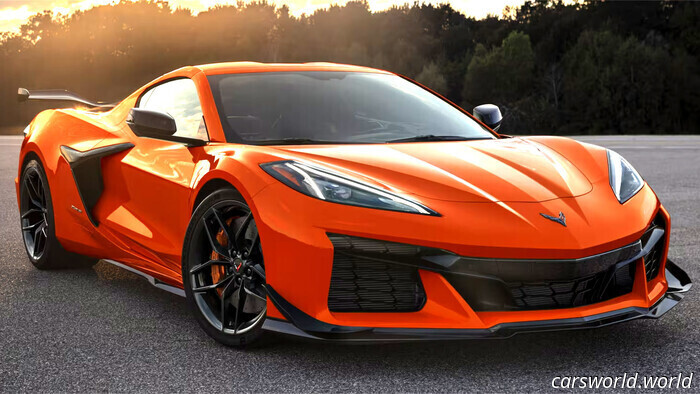 GM Discreetly Altered Its Corvette Retention Policy | Carscoops
It appears improbable that Chevrolet will offer a similar concession to owners of the Corvette ZR1 and ZR1X.
GM Discreetly Altered Its Corvette Retention Policy | Carscoops
It appears improbable that Chevrolet will offer a similar concession to owners of the Corvette ZR1 and ZR1X.
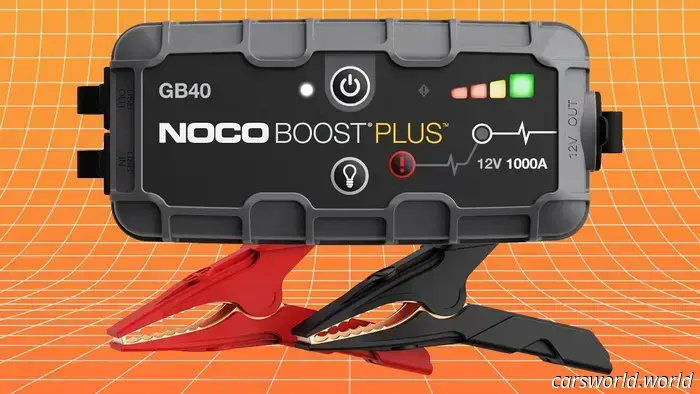 Enjoy a 50% discount on NOCO Jump Starters and various Battery Tender offers, available exclusively this Black Friday.
NOCO jump starters, battery maintainers, and other service products are heavily marked down for Black Friday.
Enjoy a 50% discount on NOCO Jump Starters and various Battery Tender offers, available exclusively this Black Friday.
NOCO jump starters, battery maintainers, and other service products are heavily marked down for Black Friday.
 Enjoy discounts of up to 50% on an excellent EDC knife from Coast this Black Friday.
Coast offers compact everyday-carry pocket knives and multi-tools at great prices. They're really affordable this Black Friday.
Enjoy discounts of up to 50% on an excellent EDC knife from Coast this Black Friday.
Coast offers compact everyday-carry pocket knives and multi-tools at great prices. They're really affordable this Black Friday.
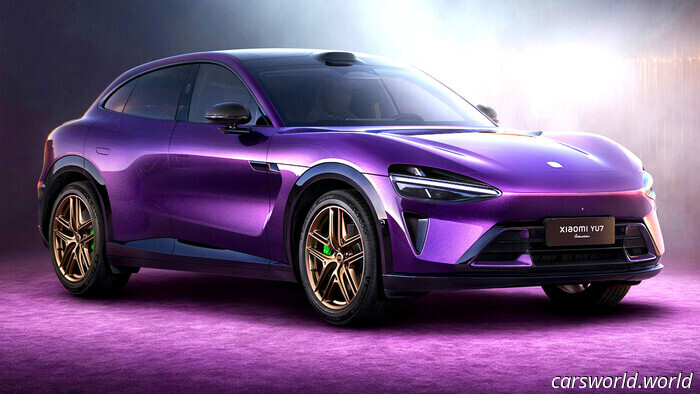 Xiaomi's YU7 Surpasses Tesla's Model Y in Sales and Things are Heating Up | Carscoops
In October, the YU7 surpassed Tesla’s Model Y in sales in China, representing a significant achievement in the rapidly expanding EV market in the country.
Xiaomi's YU7 Surpasses Tesla's Model Y in Sales and Things are Heating Up | Carscoops
In October, the YU7 surpassed Tesla’s Model Y in sales in China, representing a significant achievement in the rapidly expanding EV market in the country.
 Canadians Remain Unconvinced by the Government's EV Mandate | Carscoops
A recent survey indicates that drivers are opposed to electric mandates, asserting their preference for choice, and highlighting an increasing disparity between policy and actual conditions.
Canadians Remain Unconvinced by the Government's EV Mandate | Carscoops
A recent survey indicates that drivers are opposed to electric mandates, asserting their preference for choice, and highlighting an increasing disparity between policy and actual conditions.
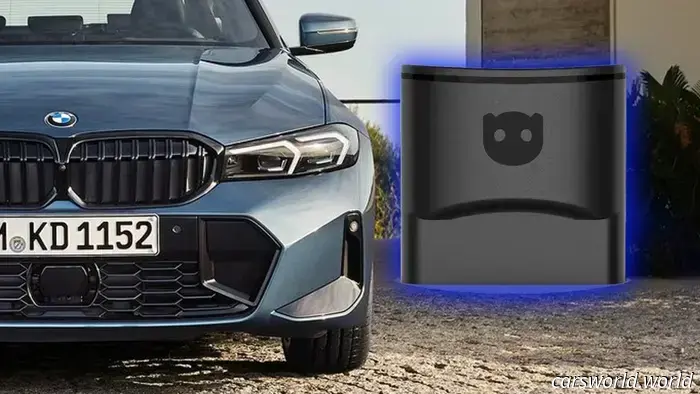 Enjoy a 40% discount on OBDeleven Customization Tools for BMW, VW, Toyota, and several other brands.
This Black Friday, OBDeleven Bluetooth kits are available at discounts of up to 40%. Easily customize your BMW, VW, or Toyota using your phone at an affordable price!
Enjoy a 40% discount on OBDeleven Customization Tools for BMW, VW, Toyota, and several other brands.
This Black Friday, OBDeleven Bluetooth kits are available at discounts of up to 40%. Easily customize your BMW, VW, or Toyota using your phone at an affordable price!
Is Sustainable Racing Truly Feasible? IMSA and Michelin Have a Strategy
Similar to how racing serves as a platform for assessing road car performance, IMSA and Michelin believe it can contribute to making driving more sustainable while still maintaining the enjoyment.