Samsung is reportedly set to introduce its custom GPU alongside the Exynos 2800. 

Samsung is heavily investing in its proprietary Exynos SoCs, with reports indicating that the upcoming Galaxy S26 series will utilize the recently launched Exynos 2600 chipset. This chip, manufactured using a 2nm process, promises significant improvements in performance and efficiency, thanks to its redesigned 10-core CPU, new Xclipse 960 GPU, and enhanced built-in NPU. However, Samsung seems to have even more substantial upgrades in store for future Exynos SoCs.

A recent report from Hankyung (via Android Authority) indicates that Samsung has created its own GPU architecture and may unveil it with the Exynos 2800 in 2027. This means that the Galaxy S28 series could be the first to incorporate a custom Samsung GPU.

In recent years, Samsung has depended on AMD's architecture for the GPUs in its latest flagship and mid-range Exynos chips. However, the report indicates that the company is not fully satisfied with simply licensing AMD’s designs.

Samsung reportedly feels that a standard GPU design cannot adequately fulfill its ambitions for enhanced on-device AI performance and stronger software integration. By creating its own GPU architecture, the company could gain greater control over aspects such as AI tasks and overall efficiency, similar to the vertical optimization that Apple has achieved with its own silicon.

Samsung's custom GPU aspirations may go beyond smartphones.

Interestingly, the report suggests that Samsung does not intend to restrict its custom GPU technology to smartphones alone. The company may eventually expand its use to other devices, including smart glasses, infotainment systems for autonomous vehicles, and potentially even humanoid robots.

Samsung has not yet confirmed these intentions, and the proposed timeline may shift, especially considering the challenges of developing proprietary graphics hardware. However, if these plans come to fruition, Samsung's transition to a fully custom GPU could represent a significant advancement for Exynos chips and herald a new generation of Galaxy devices with improved graphical performance and enhanced power efficiency.

Pranob is an experienced tech journalist with over eight years of experience covering consumer technology. His work has been…

Xiaomi’s S25 Ultra competitor features a DSLR-like physical zoom ring paired with a 200MP zoom camera.

A 200MP periscope lens, continuous optical zoom, and a tactile zoom ring make Xiaomi’s latest Ultra flagship one of the most ambitious camera phones of the year.

Following months of speculation and anticipation, Chinese smartphone maker Xiaomi has unveiled its competitor to the iPhone 17 Pro Max and Galaxy S25 Ultra: the Xiaomi 17 Ultra Leica Edition (alongside the standard Ultra version). Right from the start, it stands out as one of the best camera-focused smartphones released this year, featuring a circular rear camera configuration with a physical zoom ring akin to DSLR cameras.

Xiaomi appears to be facing a memory crisis, which could affect Samsung and Apple in 2026.

Xiaomi’s latest Ultra flagship serves as a clear warning: increasing memory costs are prompting brands to reconsider their pricing and configurations.

Just a few days ago, I reported on how smartphone prices could rise across various segments, and now we are witnessing this theory come to fruition with the Xiaomi 17 Ultra. The base model of this device is priced higher than its predecessor, and neither Samsung nor Apple appears to be immune to this trend. 

To put things into perspective, last year, Xiaomi launched the Xiaomi 15 Ultra at CNY 6,499 for the entry-level version with 12GB of RAM and 256GB of storage. Meanwhile, the variant with 16GB of RAM and 512GB of storage retailed for CNY 6,999. 

8 tips and tricks for your new iPhone: from setup to storage, and more.

Here are some useful suggestions to get you started with iOS.

So, you received an iPhone for Christmas? Welcome! After spending a decade switching between Android devices, I returned to iOS with the iPhone 14 Pro in 2022, following an incident where my Samsung Galaxy S10e accidentally ended up in a pool while on holiday. Since then, I haven't looked back—aside from becoming more careful about checking my swimming shorts' pockets.

I have gathered some helpful iPhone insights along the way. Here are a few pointers to get you started.

Samsung is reportedly set to introduce its custom GPU alongside the Exynos 2800. Samsung is heavily investing in its proprietary Exynos SoCs, with reports indicating that the upcoming Galaxy S26 series will utilize the recently launched Exynos 2600 chipset. This chip, manufactured using a 2nm process, promises significant improvements in performance and efficiency, thanks to its redesigned 10-core CPU, new Xclipse 960 GPU, and enhanced built-in NPU. However, Samsung seems to have even more substantial upgrades in store for future Exynos SoCs. A recent report from Hankyung (via Android Authority) indicates that Samsung has created its own GPU architecture and may unveil it with the Exynos 2800 in 2027. This means that the Galaxy S28 series could be the first to incorporate a custom Samsung GPU. In recent years, Samsung has depended on AMD's architecture for the GPUs in its latest flagship and mid-range Exynos chips. However, the report indicates that the company is not fully satisfied with simply licensing AMD’s designs. Samsung reportedly feels that a standard GPU design cannot adequately fulfill its ambitions for enhanced on-device AI performance and stronger software integration. By creating its own GPU architecture, the company could gain greater control over aspects such as AI tasks and overall efficiency, similar to the vertical optimization that Apple has achieved with its own silicon. Samsung's custom GPU aspirations may go beyond smartphones. Interestingly, the report suggests that Samsung does not intend to restrict its custom GPU technology to smartphones alone. The company may eventually expand its use to other devices, including smart glasses, infotainment systems for autonomous vehicles, and potentially even humanoid robots. Samsung has not yet confirmed these intentions, and the proposed timeline may shift, especially considering the challenges of developing proprietary graphics hardware. However, if these plans come to fruition, Samsung's transition to a fully custom GPU could represent a significant advancement for Exynos chips and herald a new generation of Galaxy devices with improved graphical performance and enhanced power efficiency. Pranob is an experienced tech journalist with over eight years of experience covering consumer technology. His work has been… Xiaomi’s S25 Ultra competitor features a DSLR-like physical zoom ring paired with a 200MP zoom camera. A 200MP periscope lens, continuous optical zoom, and a tactile zoom ring make Xiaomi’s latest Ultra flagship one of the most ambitious camera phones of the year. Following months of speculation and anticipation, Chinese smartphone maker Xiaomi has unveiled its competitor to the iPhone 17 Pro Max and Galaxy S25 Ultra: the Xiaomi 17 Ultra Leica Edition (alongside the standard Ultra version). Right from the start, it stands out as one of the best camera-focused smartphones released this year, featuring a circular rear camera configuration with a physical zoom ring akin to DSLR cameras. Xiaomi appears to be facing a memory crisis, which could affect Samsung and Apple in 2026. Xiaomi’s latest Ultra flagship serves as a clear warning: increasing memory costs are prompting brands to reconsider their pricing and configurations. Just a few days ago, I reported on how smartphone prices could rise across various segments, and now we are witnessing this theory come to fruition with the Xiaomi 17 Ultra. The base model of this device is priced higher than its predecessor, and neither Samsung nor Apple appears to be immune to this trend. To put things into perspective, last year, Xiaomi launched the Xiaomi 15 Ultra at CNY 6,499 for the entry-level version with 12GB of RAM and 256GB of storage. Meanwhile, the variant with 16GB of RAM and 512GB of storage retailed for CNY 6,999. 8 tips and tricks for your new iPhone: from setup to storage, and more. Here are some useful suggestions to get you started with iOS. So, you received an iPhone for Christmas? Welcome! After spending a decade switching between Android devices, I returned to iOS with the iPhone 14 Pro in 2022, following an incident where my Samsung Galaxy S10e accidentally ended up in a pool while on holiday. Since then, I haven't looked back—aside from becoming more careful about checking my swimming shorts' pockets. I have gathered some helpful iPhone insights along the way. Here are a few pointers to get you started.

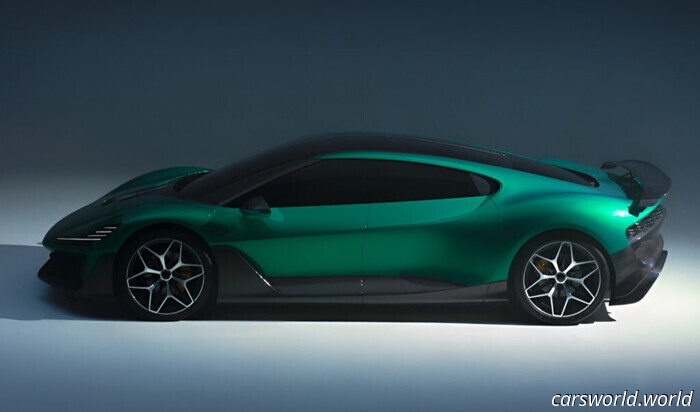
      Recent images from the vacuum cleaner company reveal that its first car has been reimagined to mimic the Bugatti Brouillard.

      Dreame is teasing its debut production electric vehicle (EV) ahead of the 2026 CES launch. The design now takes inspiration from Bugatti’s exclusive Brouillard instead of the Chiron.

      The Chinese startup also has plans for an SUV in the style of the Cullinan, which is expected to arrive in 2027.

      Earlier this year, Chinese electronics brand Dreame attracted attention by releasing images of a four-door coupe that bore a striking resemblance to a well-known Bugatti hypercar. Now, just days prior to its anticipated reveal at CES in Las Vegas, Dreame has shared updated pictures indicating a shift in design inspiration to a different Bugatti model.

      The previous previews appeared to be direct copies of the Chiron, but the latest version resembles the Bugatti Brouillard, a unique coupe derived from 2022’s Mistral. Both the Brouillard and Mistral utilize the Chiron chassis, though they exhibit significant design variances from the original model.

      Some design elements have clearly been adopted by Dreame’s creators. The three images shared do not display the front of the new car, so it remains unclear if the Bugatti-esque horseshoe grille noted in earlier designs is still present.

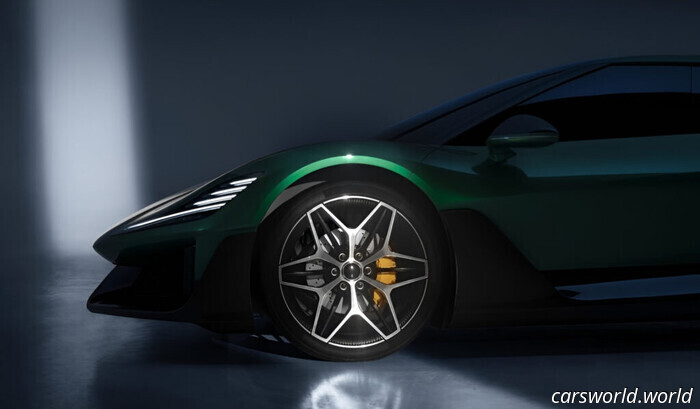
      However, the segmented front daytime running lights are very similar to those found on the Brouillard, and the combination of metallic green paint with black lower body accents, reminiscent of the Bugatti, cannot be merely coincidental.

      Additional similarities noted in the images from China’s IT Home include the replacement of the prominent Chiron C-shape detail on the sides with a smaller kink that tapers into a line running along the center of the doors.

      Less Bugatti, more Dreame

      Overall, this latest version of Dreame’s inaugural vehicle appears to be less of an overt Bugatti imitation, with notable differences at the rear—particularly in the taillight design and use of a bolt-on spoiler instead of an integrated one. Nevertheless, it maintains its four-door configuration, positioning it as more of a competitor to the Porsche Taycan rather than any Bugatti.

      No official specifications have been released yet, but Chinese media speculate that the vehicle will exceed 986 hp (1,000 PS), feature refrigerant-based cooling for the electric powertrain, and achieve a zero to 62 mph (100 km/h) acceleration in approximately 1.8 seconds.

      These details remain hypothetical rather than confirmed; earlier reports hinted at offerings for both a range-extender hybrid and a fully electric model—but one certainty is that the car is not expected to be slow.

      Ambitions toward Rolls Royce

      The currently unnamed vehicle is part of Dreame Auto’s Starry Sky Plan, with production slated for 2027. The company has laid out a dual strategy that encompasses ultra-high-performance cars and larger luxury vehicles. It has already unveiled a sizable SUV that appears to directly imitate the Rolls Royce Cullinan, which is also set to be released in 2027.

      To illustrate the evolution of the design, we've included Dreame’s earlier renderings in the accompanying gallery. The versions from September provide a clear perspective on how far the concept has developed or perhaps been redirected.

      Sources: Dreame, Car News China, Autohome

Samsung is reportedly set to introduce its custom GPU alongside the Exynos 2800. 

Samsung is heavily investing in its proprietary Exynos SoCs, with reports indicating that the upcoming Galaxy S26 series will utilize the recently launched Exynos 2600 chipset. This chip, manufactured using a 2nm process, promises significant improvements in performance and efficiency, thanks to its redesigned 10-core CPU, new Xclipse 960 GPU, and enhanced built-in NPU. However, Samsung seems to have even more substantial upgrades in store for future Exynos SoCs.

A recent report from Hankyung (via Android Authority) indicates that Samsung has created its own GPU architecture and may unveil it with the Exynos 2800 in 2027. This means that the Galaxy S28 series could be the first to incorporate a custom Samsung GPU.

In recent years, Samsung has depended on AMD's architecture for the GPUs in its latest flagship and mid-range Exynos chips. However, the report indicates that the company is not fully satisfied with simply licensing AMD’s designs.

Samsung reportedly feels that a standard GPU design cannot adequately fulfill its ambitions for enhanced on-device AI performance and stronger software integration. By creating its own GPU architecture, the company could gain greater control over aspects such as AI tasks and overall efficiency, similar to the vertical optimization that Apple has achieved with its own silicon.

Samsung's custom GPU aspirations may go beyond smartphones.

Interestingly, the report suggests that Samsung does not intend to restrict its custom GPU technology to smartphones alone. The company may eventually expand its use to other devices, including smart glasses, infotainment systems for autonomous vehicles, and potentially even humanoid robots.

Samsung has not yet confirmed these intentions, and the proposed timeline may shift, especially considering the challenges of developing proprietary graphics hardware. However, if these plans come to fruition, Samsung's transition to a fully custom GPU could represent a significant advancement for Exynos chips and herald a new generation of Galaxy devices with improved graphical performance and enhanced power efficiency.

Pranob is an experienced tech journalist with over eight years of experience covering consumer technology. His work has been…

Xiaomi’s S25 Ultra competitor features a DSLR-like physical zoom ring paired with a 200MP zoom camera.

A 200MP periscope lens, continuous optical zoom, and a tactile zoom ring make Xiaomi’s latest Ultra flagship one of the most ambitious camera phones of the year.

Following months of speculation and anticipation, Chinese smartphone maker Xiaomi has unveiled its competitor to the iPhone 17 Pro Max and Galaxy S25 Ultra: the Xiaomi 17 Ultra Leica Edition (alongside the standard Ultra version). Right from the start, it stands out as one of the best camera-focused smartphones released this year, featuring a circular rear camera configuration with a physical zoom ring akin to DSLR cameras.

Xiaomi appears to be facing a memory crisis, which could affect Samsung and Apple in 2026.

Xiaomi’s latest Ultra flagship serves as a clear warning: increasing memory costs are prompting brands to reconsider their pricing and configurations.

Just a few days ago, I reported on how smartphone prices could rise across various segments, and now we are witnessing this theory come to fruition with the Xiaomi 17 Ultra. The base model of this device is priced higher than its predecessor, and neither Samsung nor Apple appears to be immune to this trend. 

To put things into perspective, last year, Xiaomi launched the Xiaomi 15 Ultra at CNY 6,499 for the entry-level version with 12GB of RAM and 256GB of storage. Meanwhile, the variant with 16GB of RAM and 512GB of storage retailed for CNY 6,999. 

8 tips and tricks for your new iPhone: from setup to storage, and more.

Here are some useful suggestions to get you started with iOS.

So, you received an iPhone for Christmas? Welcome! After spending a decade switching between Android devices, I returned to iOS with the iPhone 14 Pro in 2022, following an incident where my Samsung Galaxy S10e accidentally ended up in a pool while on holiday. Since then, I haven't looked back—aside from becoming more careful about checking my swimming shorts' pockets.

I have gathered some helpful iPhone insights along the way. Here are a few pointers to get you started. Samsung is reportedly set to introduce its custom GPU alongside the Exynos 2800. 

Samsung is heavily investing in its proprietary Exynos SoCs, with reports indicating that the upcoming Galaxy S26 series will utilize the recently launched Exynos 2600 chipset. This chip, manufactured using a 2nm process, promises significant improvements in performance and efficiency, thanks to its redesigned 10-core CPU, new Xclipse 960 GPU, and enhanced built-in NPU. However, Samsung seems to have even more substantial upgrades in store for future Exynos SoCs.

A recent report from Hankyung (via Android Authority) indicates that Samsung has created its own GPU architecture and may unveil it with the Exynos 2800 in 2027. This means that the Galaxy S28 series could be the first to incorporate a custom Samsung GPU.

In recent years, Samsung has depended on AMD's architecture for the GPUs in its latest flagship and mid-range Exynos chips. However, the report indicates that the company is not fully satisfied with simply licensing AMD’s designs.

Samsung reportedly feels that a standard GPU design cannot adequately fulfill its ambitions for enhanced on-device AI performance and stronger software integration. By creating its own GPU architecture, the company could gain greater control over aspects such as AI tasks and overall efficiency, similar to the vertical optimization that Apple has achieved with its own silicon.

Samsung's custom GPU aspirations may go beyond smartphones.

Interestingly, the report suggests that Samsung does not intend to restrict its custom GPU technology to smartphones alone. The company may eventually expand its use to other devices, including smart glasses, infotainment systems for autonomous vehicles, and potentially even humanoid robots.

Samsung has not yet confirmed these intentions, and the proposed timeline may shift, especially considering the challenges of developing proprietary graphics hardware. However, if these plans come to fruition, Samsung's transition to a fully custom GPU could represent a significant advancement for Exynos chips and herald a new generation of Galaxy devices with improved graphical performance and enhanced power efficiency.

Pranob is an experienced tech journalist with over eight years of experience covering consumer technology. His work has been…

Xiaomi’s S25 Ultra competitor features a DSLR-like physical zoom ring paired with a 200MP zoom camera.

A 200MP periscope lens, continuous optical zoom, and a tactile zoom ring make Xiaomi’s latest Ultra flagship one of the most ambitious camera phones of the year.

Following months of speculation and anticipation, Chinese smartphone maker Xiaomi has unveiled its competitor to the iPhone 17 Pro Max and Galaxy S25 Ultra: the Xiaomi 17 Ultra Leica Edition (alongside the standard Ultra version). Right from the start, it stands out as one of the best camera-focused smartphones released this year, featuring a circular rear camera configuration with a physical zoom ring akin to DSLR cameras.

Xiaomi appears to be facing a memory crisis, which could affect Samsung and Apple in 2026.

Xiaomi’s latest Ultra flagship serves as a clear warning: increasing memory costs are prompting brands to reconsider their pricing and configurations.

Just a few days ago, I reported on how smartphone prices could rise across various segments, and now we are witnessing this theory come to fruition with the Xiaomi 17 Ultra. The base model of this device is priced higher than its predecessor, and neither Samsung nor Apple appears to be immune to this trend. 

To put things into perspective, last year, Xiaomi launched the Xiaomi 15 Ultra at CNY 6,499 for the entry-level version with 12GB of RAM and 256GB of storage. Meanwhile, the variant with 16GB of RAM and 512GB of storage retailed for CNY 6,999. 

8 tips and tricks for your new iPhone: from setup to storage, and more.

Here are some useful suggestions to get you started with iOS.

So, you received an iPhone for Christmas? Welcome! After spending a decade switching between Android devices, I returned to iOS with the iPhone 14 Pro in 2022, following an incident where my Samsung Galaxy S10e accidentally ended up in a pool while on holiday. Since then, I haven't looked back—aside from becoming more careful about checking my swimming shorts' pockets.

I have gathered some helpful iPhone insights along the way. Here are a few pointers to get you started. Samsung is reportedly set to introduce its custom GPU alongside the Exynos 2800. 

Samsung is heavily investing in its proprietary Exynos SoCs, with reports indicating that the upcoming Galaxy S26 series will utilize the recently launched Exynos 2600 chipset. This chip, manufactured using a 2nm process, promises significant improvements in performance and efficiency, thanks to its redesigned 10-core CPU, new Xclipse 960 GPU, and enhanced built-in NPU. However, Samsung seems to have even more substantial upgrades in store for future Exynos SoCs.

A recent report from Hankyung (via Android Authority) indicates that Samsung has created its own GPU architecture and may unveil it with the Exynos 2800 in 2027. This means that the Galaxy S28 series could be the first to incorporate a custom Samsung GPU.

In recent years, Samsung has depended on AMD's architecture for the GPUs in its latest flagship and mid-range Exynos chips. However, the report indicates that the company is not fully satisfied with simply licensing AMD’s designs.

Samsung reportedly feels that a standard GPU design cannot adequately fulfill its ambitions for enhanced on-device AI performance and stronger software integration. By creating its own GPU architecture, the company could gain greater control over aspects such as AI tasks and overall efficiency, similar to the vertical optimization that Apple has achieved with its own silicon.

Samsung's custom GPU aspirations may go beyond smartphones.

Interestingly, the report suggests that Samsung does not intend to restrict its custom GPU technology to smartphones alone. The company may eventually expand its use to other devices, including smart glasses, infotainment systems for autonomous vehicles, and potentially even humanoid robots.

Samsung has not yet confirmed these intentions, and the proposed timeline may shift, especially considering the challenges of developing proprietary graphics hardware. However, if these plans come to fruition, Samsung's transition to a fully custom GPU could represent a significant advancement for Exynos chips and herald a new generation of Galaxy devices with improved graphical performance and enhanced power efficiency.

Pranob is an experienced tech journalist with over eight years of experience covering consumer technology. His work has been…

Xiaomi’s S25 Ultra competitor features a DSLR-like physical zoom ring paired with a 200MP zoom camera.

A 200MP periscope lens, continuous optical zoom, and a tactile zoom ring make Xiaomi’s latest Ultra flagship one of the most ambitious camera phones of the year.

Following months of speculation and anticipation, Chinese smartphone maker Xiaomi has unveiled its competitor to the iPhone 17 Pro Max and Galaxy S25 Ultra: the Xiaomi 17 Ultra Leica Edition (alongside the standard Ultra version). Right from the start, it stands out as one of the best camera-focused smartphones released this year, featuring a circular rear camera configuration with a physical zoom ring akin to DSLR cameras.

Xiaomi appears to be facing a memory crisis, which could affect Samsung and Apple in 2026.

Xiaomi’s latest Ultra flagship serves as a clear warning: increasing memory costs are prompting brands to reconsider their pricing and configurations.

Just a few days ago, I reported on how smartphone prices could rise across various segments, and now we are witnessing this theory come to fruition with the Xiaomi 17 Ultra. The base model of this device is priced higher than its predecessor, and neither Samsung nor Apple appears to be immune to this trend. 

To put things into perspective, last year, Xiaomi launched the Xiaomi 15 Ultra at CNY 6,499 for the entry-level version with 12GB of RAM and 256GB of storage. Meanwhile, the variant with 16GB of RAM and 512GB of storage retailed for CNY 6,999. 

8 tips and tricks for your new iPhone: from setup to storage, and more.

Here are some useful suggestions to get you started with iOS.

So, you received an iPhone for Christmas? Welcome! After spending a decade switching between Android devices, I returned to iOS with the iPhone 14 Pro in 2022, following an incident where my Samsung Galaxy S10e accidentally ended up in a pool while on holiday. Since then, I haven't looked back—aside from becoming more careful about checking my swimming shorts' pockets.

I have gathered some helpful iPhone insights along the way. Here are a few pointers to get you started. Samsung is reportedly set to introduce its custom GPU alongside the Exynos 2800. 

Samsung is heavily investing in its proprietary Exynos SoCs, with reports indicating that the upcoming Galaxy S26 series will utilize the recently launched Exynos 2600 chipset. This chip, manufactured using a 2nm process, promises significant improvements in performance and efficiency, thanks to its redesigned 10-core CPU, new Xclipse 960 GPU, and enhanced built-in NPU. However, Samsung seems to have even more substantial upgrades in store for future Exynos SoCs.

A recent report from Hankyung (via Android Authority) indicates that Samsung has created its own GPU architecture and may unveil it with the Exynos 2800 in 2027. This means that the Galaxy S28 series could be the first to incorporate a custom Samsung GPU.

In recent years, Samsung has depended on AMD's architecture for the GPUs in its latest flagship and mid-range Exynos chips. However, the report indicates that the company is not fully satisfied with simply licensing AMD’s designs.

Samsung reportedly feels that a standard GPU design cannot adequately fulfill its ambitions for enhanced on-device AI performance and stronger software integration. By creating its own GPU architecture, the company could gain greater control over aspects such as AI tasks and overall efficiency, similar to the vertical optimization that Apple has achieved with its own silicon.

Samsung's custom GPU aspirations may go beyond smartphones.

Interestingly, the report suggests that Samsung does not intend to restrict its custom GPU technology to smartphones alone. The company may eventually expand its use to other devices, including smart glasses, infotainment systems for autonomous vehicles, and potentially even humanoid robots.

Samsung has not yet confirmed these intentions, and the proposed timeline may shift, especially considering the challenges of developing proprietary graphics hardware. However, if these plans come to fruition, Samsung's transition to a fully custom GPU could represent a significant advancement for Exynos chips and herald a new generation of Galaxy devices with improved graphical performance and enhanced power efficiency.

Pranob is an experienced tech journalist with over eight years of experience covering consumer technology. His work has been…

Xiaomi’s S25 Ultra competitor features a DSLR-like physical zoom ring paired with a 200MP zoom camera.

A 200MP periscope lens, continuous optical zoom, and a tactile zoom ring make Xiaomi’s latest Ultra flagship one of the most ambitious camera phones of the year.

Following months of speculation and anticipation, Chinese smartphone maker Xiaomi has unveiled its competitor to the iPhone 17 Pro Max and Galaxy S25 Ultra: the Xiaomi 17 Ultra Leica Edition (alongside the standard Ultra version). Right from the start, it stands out as one of the best camera-focused smartphones released this year, featuring a circular rear camera configuration with a physical zoom ring akin to DSLR cameras.

Xiaomi appears to be facing a memory crisis, which could affect Samsung and Apple in 2026.

Xiaomi’s latest Ultra flagship serves as a clear warning: increasing memory costs are prompting brands to reconsider their pricing and configurations.

Just a few days ago, I reported on how smartphone prices could rise across various segments, and now we are witnessing this theory come to fruition with the Xiaomi 17 Ultra. The base model of this device is priced higher than its predecessor, and neither Samsung nor Apple appears to be immune to this trend. 

To put things into perspective, last year, Xiaomi launched the Xiaomi 15 Ultra at CNY 6,499 for the entry-level version with 12GB of RAM and 256GB of storage. Meanwhile, the variant with 16GB of RAM and 512GB of storage retailed for CNY 6,999. 

8 tips and tricks for your new iPhone: from setup to storage, and more.

Here are some useful suggestions to get you started with iOS.

So, you received an iPhone for Christmas? Welcome! After spending a decade switching between Android devices, I returned to iOS with the iPhone 14 Pro in 2022, following an incident where my Samsung Galaxy S10e accidentally ended up in a pool while on holiday. Since then, I haven't looked back—aside from becoming more careful about checking my swimming shorts' pockets.

I have gathered some helpful iPhone insights along the way. Here are a few pointers to get you started. Samsung is reportedly set to introduce its custom GPU alongside the Exynos 2800. 

Samsung is heavily investing in its proprietary Exynos SoCs, with reports indicating that the upcoming Galaxy S26 series will utilize the recently launched Exynos 2600 chipset. This chip, manufactured using a 2nm process, promises significant improvements in performance and efficiency, thanks to its redesigned 10-core CPU, new Xclipse 960 GPU, and enhanced built-in NPU. However, Samsung seems to have even more substantial upgrades in store for future Exynos SoCs.

A recent report from Hankyung (via Android Authority) indicates that Samsung has created its own GPU architecture and may unveil it with the Exynos 2800 in 2027. This means that the Galaxy S28 series could be the first to incorporate a custom Samsung GPU.

In recent years, Samsung has depended on AMD's architecture for the GPUs in its latest flagship and mid-range Exynos chips. However, the report indicates that the company is not fully satisfied with simply licensing AMD’s designs.

Samsung reportedly feels that a standard GPU design cannot adequately fulfill its ambitions for enhanced on-device AI performance and stronger software integration. By creating its own GPU architecture, the company could gain greater control over aspects such as AI tasks and overall efficiency, similar to the vertical optimization that Apple has achieved with its own silicon.

Samsung's custom GPU aspirations may go beyond smartphones.

Interestingly, the report suggests that Samsung does not intend to restrict its custom GPU technology to smartphones alone. The company may eventually expand its use to other devices, including smart glasses, infotainment systems for autonomous vehicles, and potentially even humanoid robots.

Samsung has not yet confirmed these intentions, and the proposed timeline may shift, especially considering the challenges of developing proprietary graphics hardware. However, if these plans come to fruition, Samsung's transition to a fully custom GPU could represent a significant advancement for Exynos chips and herald a new generation of Galaxy devices with improved graphical performance and enhanced power efficiency.

Pranob is an experienced tech journalist with over eight years of experience covering consumer technology. His work has been…

Xiaomi’s S25 Ultra competitor features a DSLR-like physical zoom ring paired with a 200MP zoom camera.

A 200MP periscope lens, continuous optical zoom, and a tactile zoom ring make Xiaomi’s latest Ultra flagship one of the most ambitious camera phones of the year.

Following months of speculation and anticipation, Chinese smartphone maker Xiaomi has unveiled its competitor to the iPhone 17 Pro Max and Galaxy S25 Ultra: the Xiaomi 17 Ultra Leica Edition (alongside the standard Ultra version). Right from the start, it stands out as one of the best camera-focused smartphones released this year, featuring a circular rear camera configuration with a physical zoom ring akin to DSLR cameras.

Xiaomi appears to be facing a memory crisis, which could affect Samsung and Apple in 2026.

Xiaomi’s latest Ultra flagship serves as a clear warning: increasing memory costs are prompting brands to reconsider their pricing and configurations.

Just a few days ago, I reported on how smartphone prices could rise across various segments, and now we are witnessing this theory come to fruition with the Xiaomi 17 Ultra. The base model of this device is priced higher than its predecessor, and neither Samsung nor Apple appears to be immune to this trend. 

To put things into perspective, last year, Xiaomi launched the Xiaomi 15 Ultra at CNY 6,499 for the entry-level version with 12GB of RAM and 256GB of storage. Meanwhile, the variant with 16GB of RAM and 512GB of storage retailed for CNY 6,999. 

8 tips and tricks for your new iPhone: from setup to storage, and more.

Here are some useful suggestions to get you started with iOS.

So, you received an iPhone for Christmas? Welcome! After spending a decade switching between Android devices, I returned to iOS with the iPhone 14 Pro in 2022, following an incident where my Samsung Galaxy S10e accidentally ended up in a pool while on holiday. Since then, I haven't looked back—aside from becoming more careful about checking my swimming shorts' pockets.

I have gathered some helpful iPhone insights along the way. Here are a few pointers to get you started.

Other articles

Samsung is reportedly set to introduce its custom GPU alongside the Exynos 2800. Samsung is heavily investing in its proprietary Exynos SoCs, with reports indicating that the upcoming Galaxy S26 series will utilize the recently launched Exynos 2600 chipset. This chip, manufactured using a 2nm process, promises significant improvements in performance and efficiency, thanks to its redesigned 10-core CPU, new Xclipse 960 GPU, and enhanced built-in NPU. However, Samsung seems to have even more substantial upgrades in store for future Exynos SoCs. A recent report from Hankyung (via Android Authority) indicates that Samsung has created its own GPU architecture and may unveil it with the Exynos 2800 in 2027. This means that the Galaxy S28 series could be the first to incorporate a custom Samsung GPU. In recent years, Samsung has depended on AMD's architecture for the GPUs in its latest flagship and mid-range Exynos chips. However, the report indicates that the company is not fully satisfied with simply licensing AMD’s designs. Samsung reportedly feels that a standard GPU design cannot adequately fulfill its ambitions for enhanced on-device AI performance and stronger software integration. By creating its own GPU architecture, the company could gain greater control over aspects such as AI tasks and overall efficiency, similar to the vertical optimization that Apple has achieved with its own silicon. Samsung's custom GPU aspirations may go beyond smartphones. Interestingly, the report suggests that Samsung does not intend to restrict its custom GPU technology to smartphones alone. The company may eventually expand its use to other devices, including smart glasses, infotainment systems for autonomous vehicles, and potentially even humanoid robots. Samsung has not yet confirmed these intentions, and the proposed timeline may shift, especially considering the challenges of developing proprietary graphics hardware. However, if these plans come to fruition, Samsung's transition to a fully custom GPU could represent a significant advancement for Exynos chips and herald a new generation of Galaxy devices with improved graphical performance and enhanced power efficiency. Pranob is an experienced tech journalist with over eight years of experience covering consumer technology. His work has been… Xiaomi’s S25 Ultra competitor features a DSLR-like physical zoom ring paired with a 200MP zoom camera. A 200MP periscope lens, continuous optical zoom, and a tactile zoom ring make Xiaomi’s latest Ultra flagship one of the most ambitious camera phones of the year. Following months of speculation and anticipation, Chinese smartphone maker Xiaomi has unveiled its competitor to the iPhone 17 Pro Max and Galaxy S25 Ultra: the Xiaomi 17 Ultra Leica Edition (alongside the standard Ultra version). Right from the start, it stands out as one of the best camera-focused smartphones released this year, featuring a circular rear camera configuration with a physical zoom ring akin to DSLR cameras. Xiaomi appears to be facing a memory crisis, which could affect Samsung and Apple in 2026. Xiaomi’s latest Ultra flagship serves as a clear warning: increasing memory costs are prompting brands to reconsider their pricing and configurations. Just a few days ago, I reported on how smartphone prices could rise across various segments, and now we are witnessing this theory come to fruition with the Xiaomi 17 Ultra. The base model of this device is priced higher than its predecessor, and neither Samsung nor Apple appears to be immune to this trend. To put things into perspective, last year, Xiaomi launched the Xiaomi 15 Ultra at CNY 6,499 for the entry-level version with 12GB of RAM and 256GB of storage. Meanwhile, the variant with 16GB of RAM and 512GB of storage retailed for CNY 6,999. 8 tips and tricks for your new iPhone: from setup to storage, and more. Here are some useful suggestions to get you started with iOS. So, you received an iPhone for Christmas? Welcome! After spending a decade switching between Android devices, I returned to iOS with the iPhone 14 Pro in 2022, following an incident where my Samsung Galaxy S10e accidentally ended up in a pool while on holiday. Since then, I haven't looked back—aside from becoming more careful about checking my swimming shorts' pockets. I have gathered some helpful iPhone insights along the way. Here are a few pointers to get you started.

The most recent images released by the vacuum cleaner company reveal that its first car has been revamped to look like the Bugatti Brouillard.