
America's Final New Car Priced Under $20,000 Has Disappeared, and Nissan Was Responsible for Its Demise | Carscoops
The most affordable new cars now exceed $22,000 as manufacturers move away from entry-level sedans.
With the end of Versa production, America has lost its last car priced below $20,000.
Currently, the cheapest new car starts at over $22,000 nationwide.
While the next-generation Versa may continue to be available internationally, the U.S. market has been left behind.
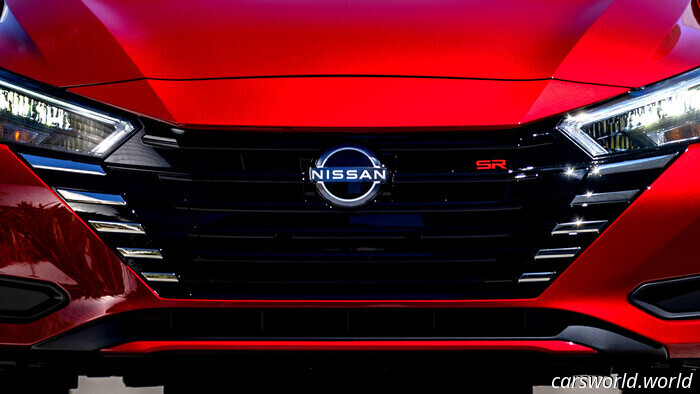
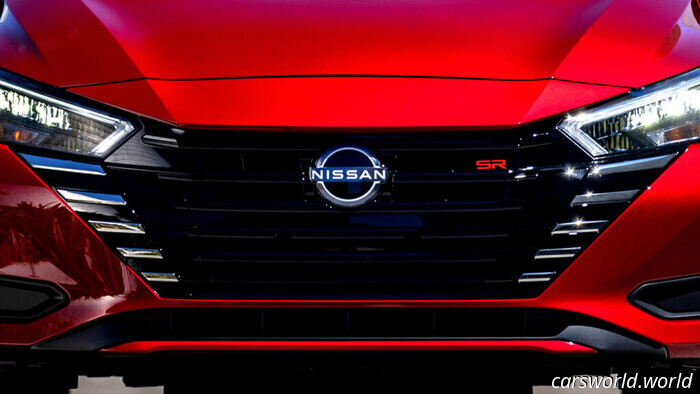
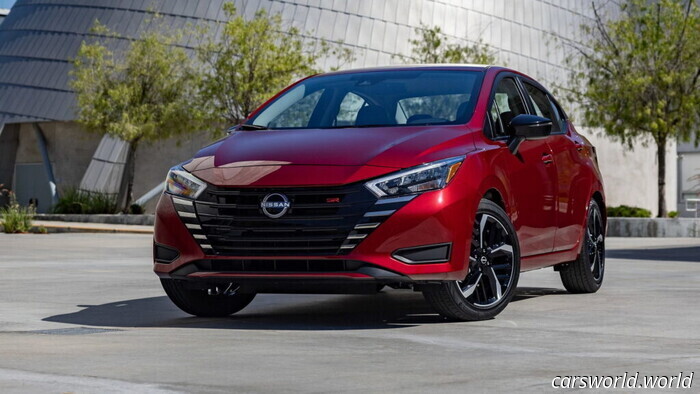
It’s official: the under-$20,000 car has officially disappeared from America as of December 23, 2025, with Nissan quietly ceasing production of the 2025 Versa for the U.S. market, marking the end of the last vehicle that previously offered true entry-level pricing.
Nissan indicated that this decision is part of a larger strategic shift rather than an unexpected turn of events.
“In line with Nissan’s product strategy, production of the Nissan Versa concluded in December 2025 for the U.S. market,” a representative for the company informed Carscoops. “Nissan remains dedicated to providing affordable and stylish options in the sedan category with models such as the Sentra and Altima, while also delivering strong value in the compact SUV segment with the Kicks.”
The signs have been evident for years. Reports dating back to 2023 hinted that both the Versa and Altima were on borrowed time; while the Altima managed to surprise us by making it into 2026, the Versa did not.
No More Budget Option
With the departure of the Versa, which had a starting price of just $17,390, and the earlier exit of the Mitsubishi Mirage, the sub-$20,000 new car market is effectively finished. Nissan's least expensive vehicle now is the Kicks Play ($22,910), an older model that may soon face the same fate.
Buyers in search of a sedan must now opt for the Sentra at $23,845, while the new Kicks SUV begins at $23,925. The overall industry situation isn't any better.
The least expensive new vehicle currently available in the U.S. is the 2026 Hyundai Venue, priced at $22,150, while the most affordable new sedan is the Kia K4 at $23,385. This means the entry price for new cars has surged by several thousand dollars in just a few years.
The Versa Continues Elsewhere
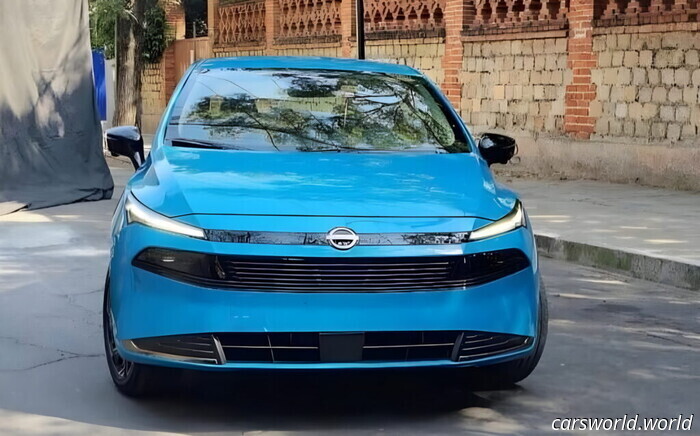
What’s particularly noteworthy is that Nissan is not done with the Versa globally. As reported recently, a next-generation Versa has emerged and seems destined for Latin American markets where affordable sedans are still viable.
For now, though, American consumers are officially out of the affordable new car market, and there are no clear indications it will return anytime soon.
One of the primary reasons, or perhaps the sole reason, for the absence of such models in the U.S. relates to tariffs. Both the outgoing model and the revamped 2026 Versa are manufactured at Nissan's facilities in Mexico, making them subject to import tariffs that would elevate their prices well beyond what the budget-friendly market can support.
Source: Nissan, Motor1

Other articles
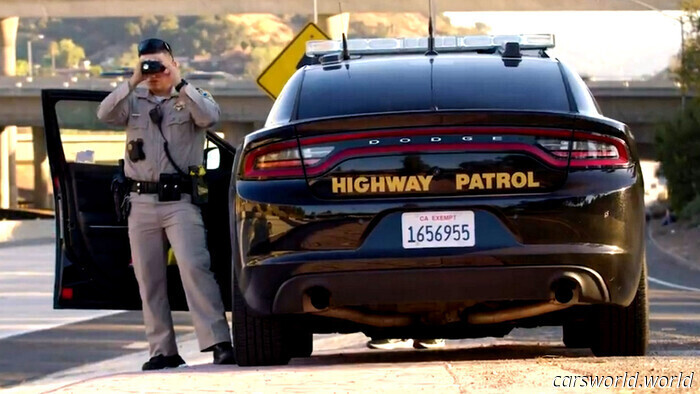 California Super Speeders Face Consequences Even Before Their Trial | Carscoops
The California DMV and CHP have launched FAST, a program designed to identify drivers exceeding triple-digit speeds for evaluation prior to going to court, indicating a change in traffic enforcement approach.
California Super Speeders Face Consequences Even Before Their Trial | Carscoops
The California DMV and CHP have launched FAST, a program designed to identify drivers exceeding triple-digit speeds for evaluation prior to going to court, indicating a change in traffic enforcement approach.
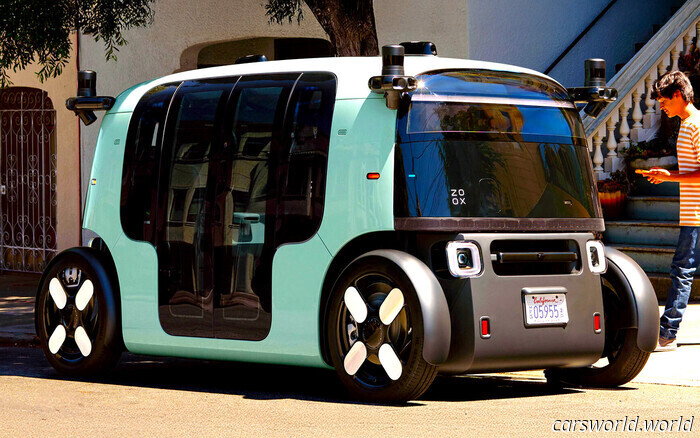 If you lacked trust in robotaxis before, you’re certainly not going to have any now | Carscoops
After experiencing over sixty incidents in just a little more than three months, Zoox announced a recall.
If you lacked trust in robotaxis before, you’re certainly not going to have any now | Carscoops
After experiencing over sixty incidents in just a little more than three months, Zoox announced a recall.
 Jerry Perez
The latest news and reviews on cars, no nonsense.
Our complimentary daily newsletter delivers the most significant stories straight to you, every weekday.
The phrase “function over form” is frequently used to describe items that may not be aesthetically pleasing but excel in fulfilling their intended purpose. Conversely, saying an item has been designed with form over function indicates that it prioritizes appearance over practicality. Surprisingly, the 2025 Audi RSQ8 balances both function and form, making it one of the most enjoyable SUVs I have driven.
I use the term “surprise” because during my initial test drive of this model at its global unveiling in Spain last October, my impression was merely… good. Not exceptional or impressive, just a solid luxury performance SUV with ample power and an attractive design. However, after spending a week with it at home, I found myself falling in love with most of its features.
What changed, and why did it impress me so much more in the streets of Indianapolis compared to the winding roads of Barcelona and even on the track? Here’s a straightforward breakdown for you.
The Advantages
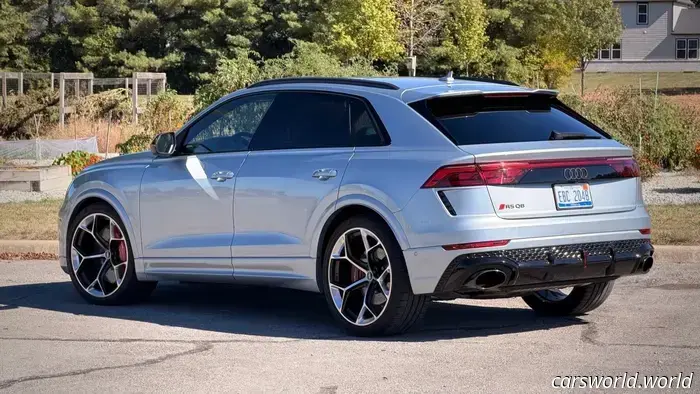
There are only a few vehicles that captivate with their appearance, and even fewer of those are SUVs. The Q8 is already known for its distinctive design, which is generally appealing, but in RS trim, it becomes truly stunning. The term “sinister” is often overused when describing cars, yet it feels appropriate here. The Satellite Silver Metallic finish adds brightness and liveliness, while a dark gray or black version would look exceptionally intimidating. Viewed from the side, the RSQ8 has a sporty stance that indicates serious intent, with a sharply sloped roofline above the B-pillar. Moreover, the stunning 23-inch, Y-spoke, dual-color wheels are absolutely gorgeous, and the intricate design elements extend to the rear.
When you approach the RSQ8 from the front or back, it clearly stands out. It doesn't resemble anything else on the road—not even other Audis. It exudes a sense of luxury, and when you start the 4.0-liter twin-turbo V8, it emits a sound that reinforces that luxury, thanks to the throaty growl from its large dual exhaust pipes. And yes, it is indeed expensive, with my test vehicle priced at $155,440, including a $1,295 destination charge.
Entering the vehicle reveals a spacious and elegantly designed interior. The seating is exceptionally comfortable (with attractive red stitching), and the steering wheel, shifter, and other controls are intuitively placed. However, the dashboard appears outdated because, well, it is—more on that in the Cons section below.
Even if everything else were subpar, the RSQ8 would still rank among the best-driving SUVs I’ve experienced. Fortunately, that’s not the case. I would argue it is the best-handling and most enjoyable SUV to drive for under $200,000. So why did my experience differ from the launch? I think it’s due to the various roads I drove it on and the experiences I had.
In Spain, I navigated winding mountain roads, which, while fun, can be daunting in a 631-hp vehicle if you're not already familiar with them. Additionally, the weather was poor—extremely foggy—preventing me from fully unleashing its potential. On the track, it impressed with remarkable handling, but it quickly became clear that a road course isn't its primary environment. However, back home, I tackled my favorite roads and had a solid basis for comparison with other vehicles I’ve driven. The first time I entered a clear roundabout at speed, I was briefly taken aback—thinking, "This isn't supposed to feel this way; it's an SUV!" When braking, the rear stayed lively, the front aligned perfectly for turning in, and the body rotation was so quick that I could only compare it to much more extreme vehicles. Yet, the ride was smooth and the experience was relaxed. The ability to provide an incredibly engaging driving experience without effort is truly remarkable.
The Disadvantages
As previously mentioned, the dashboard and its controls, along with the operating system, feel antiquated compared to the newer Virtual Cockpit in the Q3 and Q5—which I recently reviewed favorably. This does not significantly affect the driving experience since it functions adequately, but once you experience the newer technology, it’s hard not to notice the shortcomings of the older setup. The cabin design lacks the sleek, contemporary look of the newer models, although it does retain a few more physical buttons. As noted in my recent SQ5 review, this isn't a major issue for overall usability.
The steering wheel design also falls short compared to the new hexagonal-style wheel in upcoming models, although it still provides good feedback.
This critique feels somewhat nitpicky, but since it's technically a family vehicle, I must highlight a downside: the cargo space in both the first and second rows is
The Audi RSQ8 has the appearance and performance of a vehicle worth a million dollars, yet it is priced approximately $840,000 lower. I consider that a great deal.
Jerry Perez
The latest news and reviews on cars, no nonsense.
Our complimentary daily newsletter delivers the most significant stories straight to you, every weekday.
The phrase “function over form” is frequently used to describe items that may not be aesthetically pleasing but excel in fulfilling their intended purpose. Conversely, saying an item has been designed with form over function indicates that it prioritizes appearance over practicality. Surprisingly, the 2025 Audi RSQ8 balances both function and form, making it one of the most enjoyable SUVs I have driven.
I use the term “surprise” because during my initial test drive of this model at its global unveiling in Spain last October, my impression was merely… good. Not exceptional or impressive, just a solid luxury performance SUV with ample power and an attractive design. However, after spending a week with it at home, I found myself falling in love with most of its features.
What changed, and why did it impress me so much more in the streets of Indianapolis compared to the winding roads of Barcelona and even on the track? Here’s a straightforward breakdown for you.
The Advantages
There are only a few vehicles that captivate with their appearance, and even fewer of those are SUVs. The Q8 is already known for its distinctive design, which is generally appealing, but in RS trim, it becomes truly stunning. The term “sinister” is often overused when describing cars, yet it feels appropriate here. The Satellite Silver Metallic finish adds brightness and liveliness, while a dark gray or black version would look exceptionally intimidating. Viewed from the side, the RSQ8 has a sporty stance that indicates serious intent, with a sharply sloped roofline above the B-pillar. Moreover, the stunning 23-inch, Y-spoke, dual-color wheels are absolutely gorgeous, and the intricate design elements extend to the rear.
When you approach the RSQ8 from the front or back, it clearly stands out. It doesn't resemble anything else on the road—not even other Audis. It exudes a sense of luxury, and when you start the 4.0-liter twin-turbo V8, it emits a sound that reinforces that luxury, thanks to the throaty growl from its large dual exhaust pipes. And yes, it is indeed expensive, with my test vehicle priced at $155,440, including a $1,295 destination charge.
Entering the vehicle reveals a spacious and elegantly designed interior. The seating is exceptionally comfortable (with attractive red stitching), and the steering wheel, shifter, and other controls are intuitively placed. However, the dashboard appears outdated because, well, it is—more on that in the Cons section below.
Even if everything else were subpar, the RSQ8 would still rank among the best-driving SUVs I’ve experienced. Fortunately, that’s not the case. I would argue it is the best-handling and most enjoyable SUV to drive for under $200,000. So why did my experience differ from the launch? I think it’s due to the various roads I drove it on and the experiences I had.
In Spain, I navigated winding mountain roads, which, while fun, can be daunting in a 631-hp vehicle if you're not already familiar with them. Additionally, the weather was poor—extremely foggy—preventing me from fully unleashing its potential. On the track, it impressed with remarkable handling, but it quickly became clear that a road course isn't its primary environment. However, back home, I tackled my favorite roads and had a solid basis for comparison with other vehicles I’ve driven. The first time I entered a clear roundabout at speed, I was briefly taken aback—thinking, "This isn't supposed to feel this way; it's an SUV!" When braking, the rear stayed lively, the front aligned perfectly for turning in, and the body rotation was so quick that I could only compare it to much more extreme vehicles. Yet, the ride was smooth and the experience was relaxed. The ability to provide an incredibly engaging driving experience without effort is truly remarkable.
The Disadvantages
As previously mentioned, the dashboard and its controls, along with the operating system, feel antiquated compared to the newer Virtual Cockpit in the Q3 and Q5—which I recently reviewed favorably. This does not significantly affect the driving experience since it functions adequately, but once you experience the newer technology, it’s hard not to notice the shortcomings of the older setup. The cabin design lacks the sleek, contemporary look of the newer models, although it does retain a few more physical buttons. As noted in my recent SQ5 review, this isn't a major issue for overall usability.
The steering wheel design also falls short compared to the new hexagonal-style wheel in upcoming models, although it still provides good feedback.
This critique feels somewhat nitpicky, but since it's technically a family vehicle, I must highlight a downside: the cargo space in both the first and second rows is
The Audi RSQ8 has the appearance and performance of a vehicle worth a million dollars, yet it is priced approximately $840,000 lower. I consider that a great deal.
 California DMV and CHP launch the FAST program to flag drivers exceeding 100 mph for pre-court review, indicating a change in traffic enforcement approach.
Reported 18 hours ago by Stephen Rivers
The FAST program in California forwards 100-mph speeding citations to the DMV.
Drivers may face license suspension prior to a court verdict.
Officials state that prompt action can aid in diminishing fatal accidents.
While speeding may not always be wise, many drivers engage in it occasionally. However, very few travel at speeds over 100 mph. In California, the repercussions of exceeding this limit are set to become more immediate and severe.
Now, individuals caught speeding past 100 mph could find their driving privileges suspended even before a judge addresses their case. The possibility of plea bargains for maintaining a clean driving record may no longer be an option. This new initiative could lead to a significant transformation in how authorities handle speeders.
Transforming Speeding Penalties
The FAST program, introduced by the California DMV and the California Highway Patrol, automatically flags any driver cited for exceeding 100 mph (160 km/h).
Rather than waiting for a court decision, these citations are promptly sent to the DMV's Driver Safety Branch for administrative evaluation. Officials there can determine whether to suspend or revoke a driver's license, independent of the court's eventual ruling.
This represents a major shift from the typical national practice, where license penalties are often contingent on convictions. Now, under FAST, the DMV can act swiftly to assess whether action is warranted prior to court proceedings.
"We believe that early intervention is essential for saving lives," stated DMV Director Steve Gordon. "Our goal is to take immediate steps against reckless drivers before their negligence results in fatal accidents. We’re being proactive, and alongside our CHP partners, we aim to curb this dangerous behavior."
Tightening Speed Enforcement
The urgency of this initiative is supported by statistics. As per CHP data, officers issue around 1,600 citations monthly for speeding over 100 mph. In 2024, over 18,000 drivers received tickets for triple-digit speeds.
Earlier this year, CHP deployed 100 low-profile, specially marked patrol vehicles designed to blend in with traffic and catch what they refer to as “video game-style” driving.
In the first half of the year, these vehicles contributed to nearly 33,000 speed-related citations, including more than 1,100 for speeds beyond 100 mph. The pilot program will undergo close examination, with the DMV comparing citation results to data from previous years to evaluate whether this method effectively reduces accidents.
To ensure traveler safety, CHP is initiating the first of two statewide Holiday Enforcement Periods (HEPs) this month to decrease traffic incidents. The Christmas HEP starts tomorrow, December 24, at 6:00 p.m. and will last until 11:59 p.m. on December 25.
China's newest automotive startup aims to make an impact at CES with two significant unveilings.
California DMV and CHP launch the FAST program to flag drivers exceeding 100 mph for pre-court review, indicating a change in traffic enforcement approach.
Reported 18 hours ago by Stephen Rivers
The FAST program in California forwards 100-mph speeding citations to the DMV.
Drivers may face license suspension prior to a court verdict.
Officials state that prompt action can aid in diminishing fatal accidents.
While speeding may not always be wise, many drivers engage in it occasionally. However, very few travel at speeds over 100 mph. In California, the repercussions of exceeding this limit are set to become more immediate and severe.
Now, individuals caught speeding past 100 mph could find their driving privileges suspended even before a judge addresses their case. The possibility of plea bargains for maintaining a clean driving record may no longer be an option. This new initiative could lead to a significant transformation in how authorities handle speeders.
Transforming Speeding Penalties
The FAST program, introduced by the California DMV and the California Highway Patrol, automatically flags any driver cited for exceeding 100 mph (160 km/h).
Rather than waiting for a court decision, these citations are promptly sent to the DMV's Driver Safety Branch for administrative evaluation. Officials there can determine whether to suspend or revoke a driver's license, independent of the court's eventual ruling.
This represents a major shift from the typical national practice, where license penalties are often contingent on convictions. Now, under FAST, the DMV can act swiftly to assess whether action is warranted prior to court proceedings.
"We believe that early intervention is essential for saving lives," stated DMV Director Steve Gordon. "Our goal is to take immediate steps against reckless drivers before their negligence results in fatal accidents. We’re being proactive, and alongside our CHP partners, we aim to curb this dangerous behavior."
Tightening Speed Enforcement
The urgency of this initiative is supported by statistics. As per CHP data, officers issue around 1,600 citations monthly for speeding over 100 mph. In 2024, over 18,000 drivers received tickets for triple-digit speeds.
Earlier this year, CHP deployed 100 low-profile, specially marked patrol vehicles designed to blend in with traffic and catch what they refer to as “video game-style” driving.
In the first half of the year, these vehicles contributed to nearly 33,000 speed-related citations, including more than 1,100 for speeds beyond 100 mph. The pilot program will undergo close examination, with the DMV comparing citation results to data from previous years to evaluate whether this method effectively reduces accidents.
To ensure traveler safety, CHP is initiating the first of two statewide Holiday Enforcement Periods (HEPs) this month to decrease traffic incidents. The Christmas HEP starts tomorrow, December 24, at 6:00 p.m. and will last until 11:59 p.m. on December 25.
China's newest automotive startup aims to make an impact at CES with two significant unveilings.
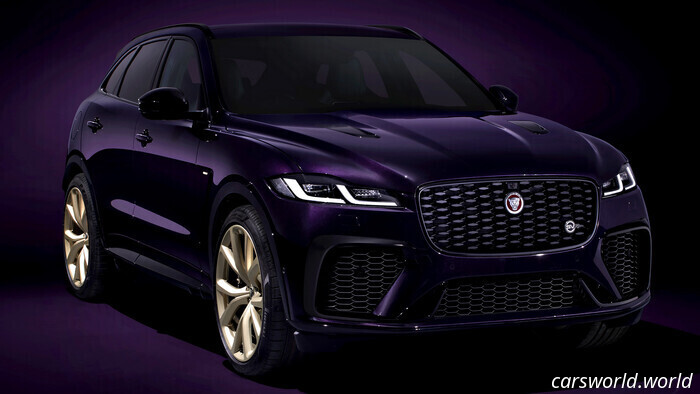 Jaguar Has Produced Its Final Gasoline Vehicle, Though You Might Not Realize It From Their Messaging | Carscoops
The last gas-powered Jaguar was produced quietly, marking the conclusion of a significant era while an impending electric one remains in suspense.
Jaguar Has Produced Its Final Gasoline Vehicle, Though You Might Not Realize It From Their Messaging | Carscoops
The last gas-powered Jaguar was produced quietly, marking the conclusion of a significant era while an impending electric one remains in suspense.
America's Final New Car Priced Under $20,000 Has Disappeared, and Nissan Was Responsible for Its Demise | Carscoops
The least expensive new cars currently start at over $22,000 as manufacturers move away from entry-level sedans.