
2025 Jeep Wagoneer S Review: Regrettably Incomplete
The most important car news and reviews, no nonsense
Our free daily newsletter delivers the stories that truly matter straight to you, every weekday.
There's genuine disappointment regarding the Jeep Wagoneer S here, and I am particularly suited to express this sentiment. Why? Let’s briefly review my history of vehicle ownership.
My first car was a 1997 Jeep Cherokee Sport with the XJ build, featuring Selec-Trac four-wheel drive. I then transitioned to a 1999 Grand Cherokee WJ, although our family nearly bought a first-generation ZJ Grand Cherokee before that. Instead, my parents opted for a 2000 WJ Grand Cherokee, which they later replaced with a 2013 WK2 Grand Cherokee. When the time came, they moved on to a 2018 Grand Cherokee (also a WK2). Finally, the vehicle I currently own—my wife’s daily driver residing in my garage—is a 2015 Grand Cherokee High Altitude with a Hemi V8, from the WK2 line.
With that background, I can say that both my father and I were incredibly excited about the debut of the 2025 Jeep Wagoneer S. About 300 miles of range, impressive power, and what appeared to be a reasonable price while being roughly the size of a Grand Cherokee? That was enough to get us hooked.
Unfortunately, spending a week with it left me feeling that it seems unfinished and underdeveloped. The irony? Jeep claimed they wouldn’t sell the Wagoneer S until it was “perfect.” It isn't. What a disappointment.
Here’s what it is, what it isn’t, and what requires improvement.
Joel Feder
The Basics
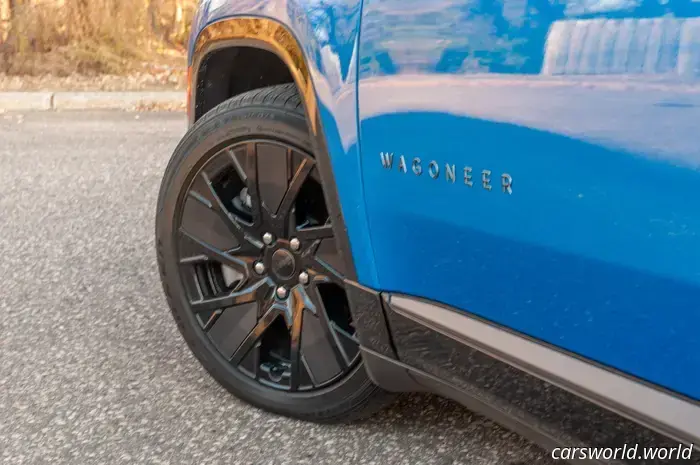
New for 2025, the Wagoneer S is Jeep’s first electric vehicle (EV). It confusingly retains the Wagoneer name rather than something like Grand Cherokee EV because Jeep initially envisioned the Wagoneer as a family of premium vehicles with premium pricing. This is somewhat amusing, considering what you will read about the Wagoneer S below. Additionally, the Wagoneer is already defunct and has been merged with the Grand Wagoneer lineup. Some plans don't always work out.
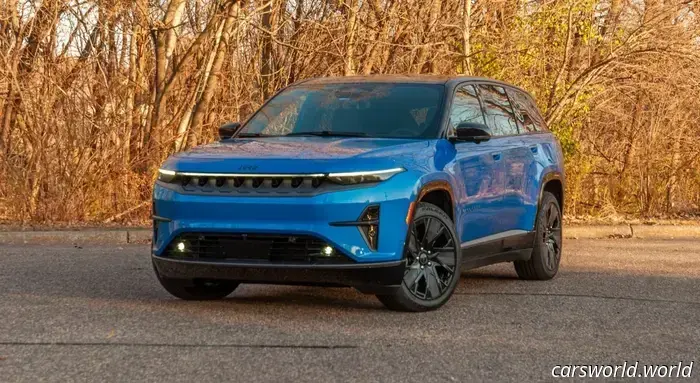
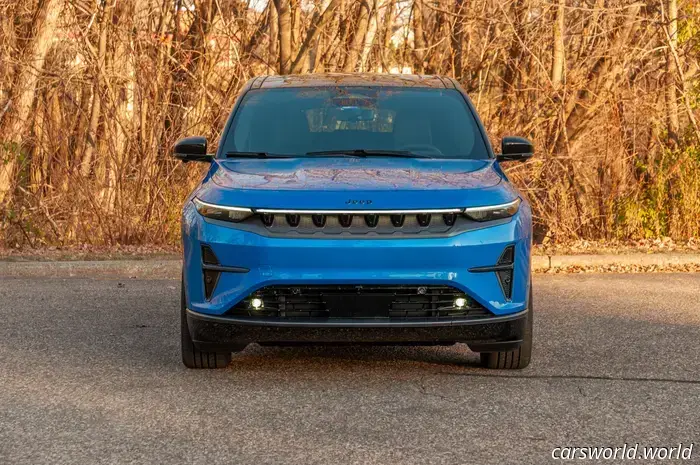
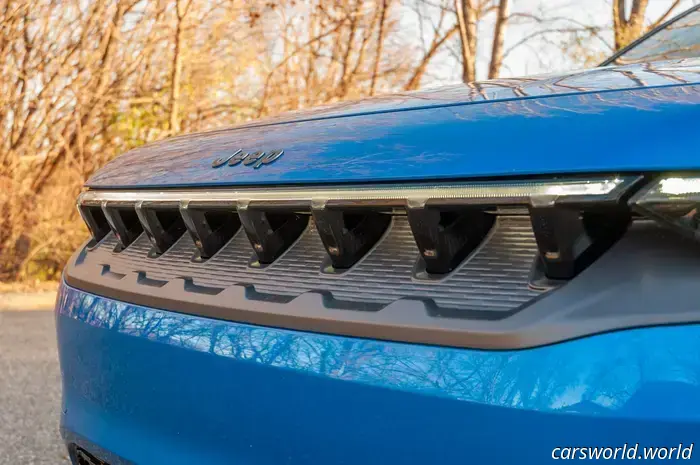
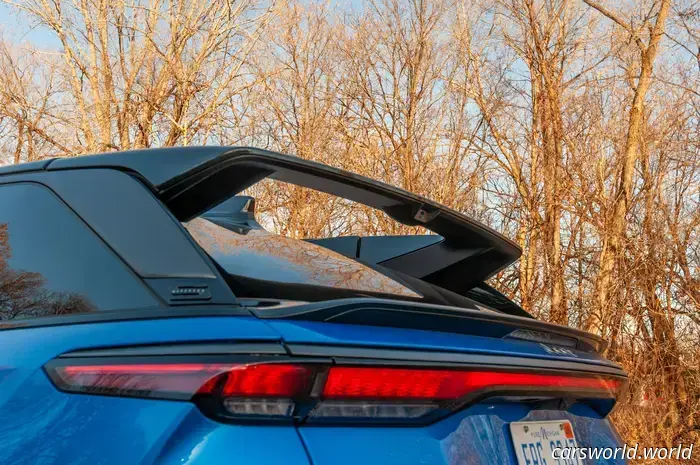
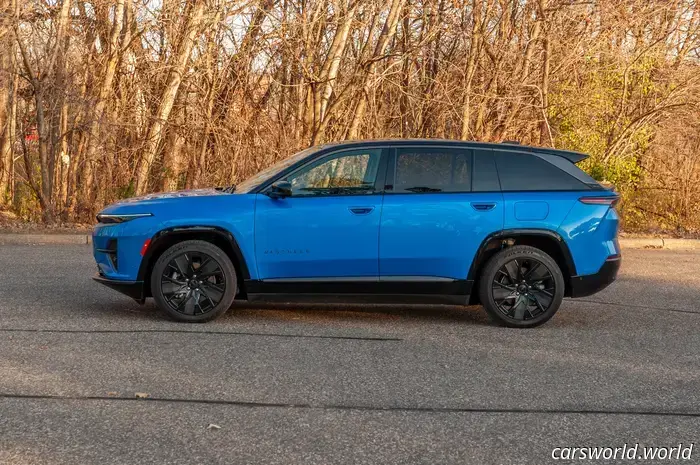
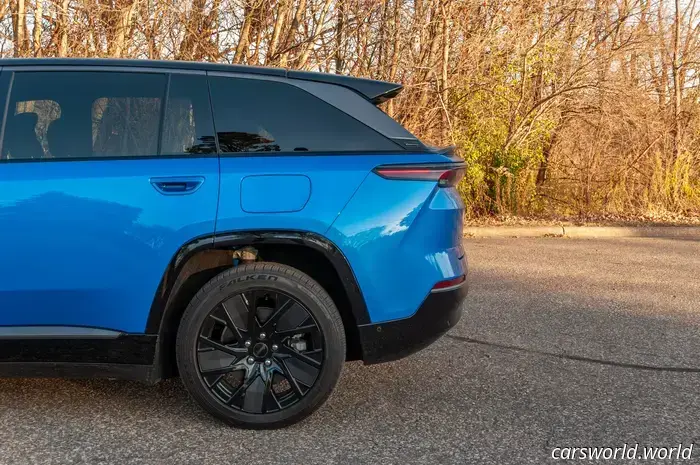
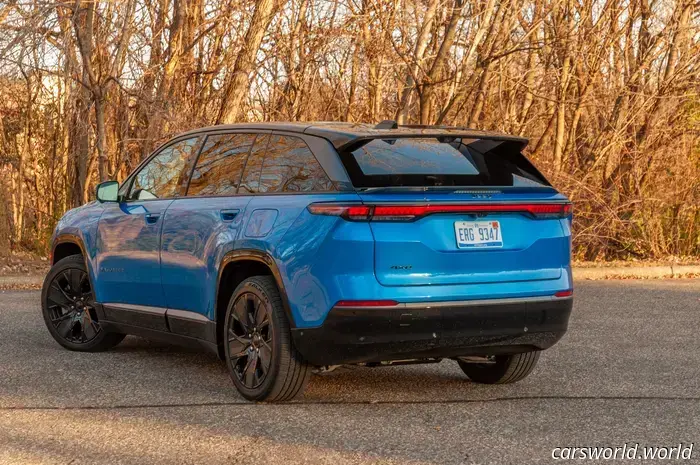
The exterior design further develops the Jeep Grand Cherokee aesthetics appropriately for the electric age. The front is unmistakable with its seven-slot grille, slender horizontal headlights, and, similar to the current Grand Cherokee, a pronounced emphasis on width. The side profile is somewhat flat but comparable to today’s Grand Cherokee with distinct shoulder lines and sculpted fenders. The rear features a full-width, slender LED taillight bar, but the rear wing divides opinions. My wife thought it looked silly, whereas I appreciated it as a functional aerodynamic element that aids efficiency and reduces drag. I value functional aerodynamics. However, that wing distorts the side view by concealing the sharply angled rear glass, which we will revisit shortly. Overall, it's visually appealing.
Joel Feder
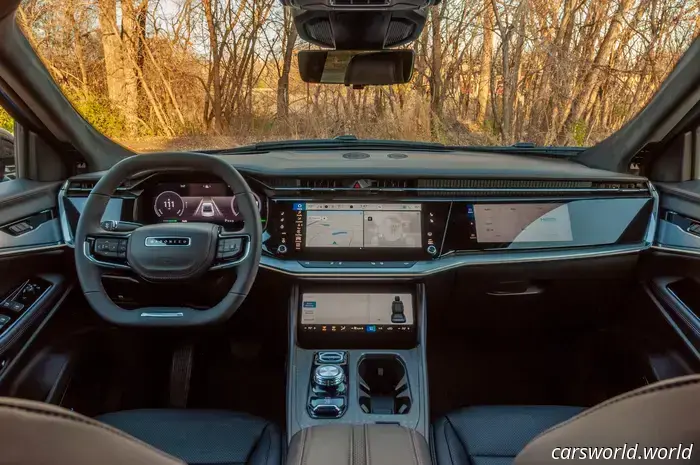
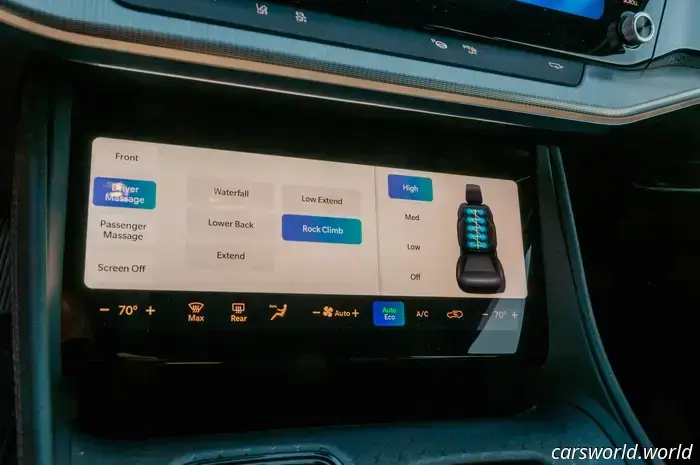
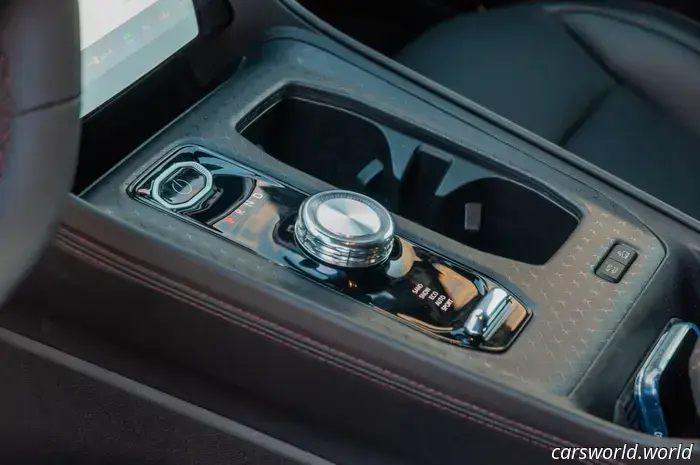
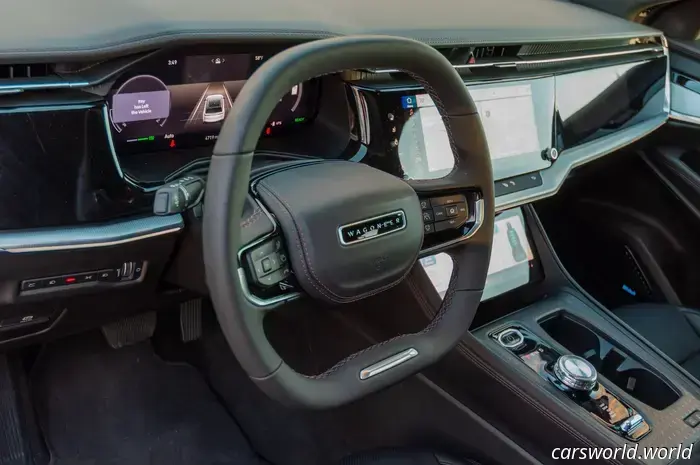
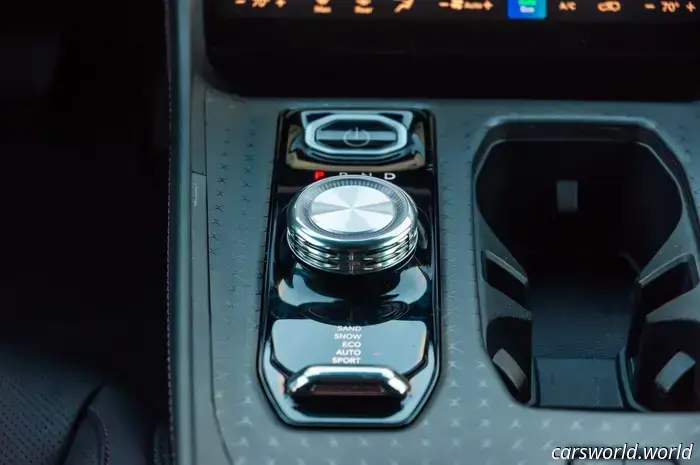
Upon opening the door of the Wagoneer S, almost everything seems familiar. The horizontally styled dashboard displays the same digital gauge cluster found in the Grand Cherokee. The 12.3-inch touchscreen infotainment system mirrors the one in the current Grand Cherokee, complete with the Uconnect 5 interface and a familiar volume knob. The 10.25-inch secondary touchscreen below for climate controls and additional functions like massage seats? Also recognizable, copied from the Grand Wagoneer. The metal rotary shift knob on the console? Taken straight from the Grand Cherokee and Grand Wagoneer. Everything is uniform.
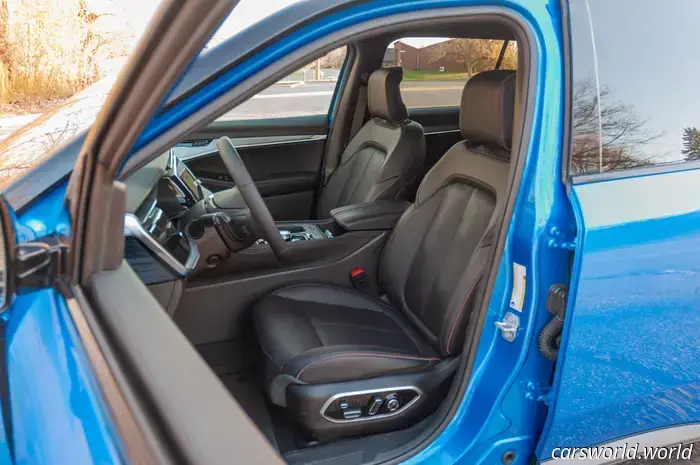
Consumers often express a desire for a straightforward car without overwhelming futuristic or complex interfaces, and this delivers. It operates, looks, and essentially is a Grand Cherokee interior. However, the front seats in the Launch Edition Wagoneer S I scrutinized—priced at $72,790—felt like they belonged in a $45,000 Grand Cherokee Laredo, lacking the upscale quilted leather of the Grand Cherokee Summit, which is priced lower at $60,000.
Joel Feder
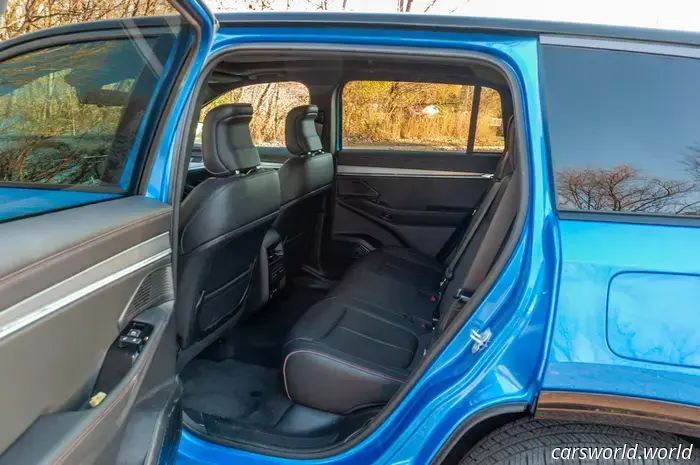
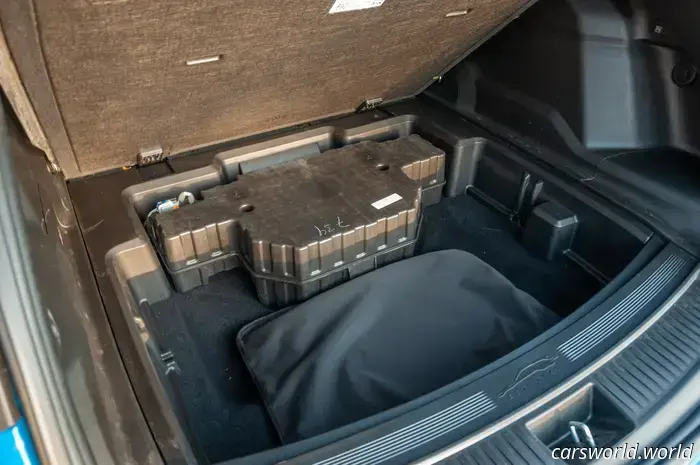
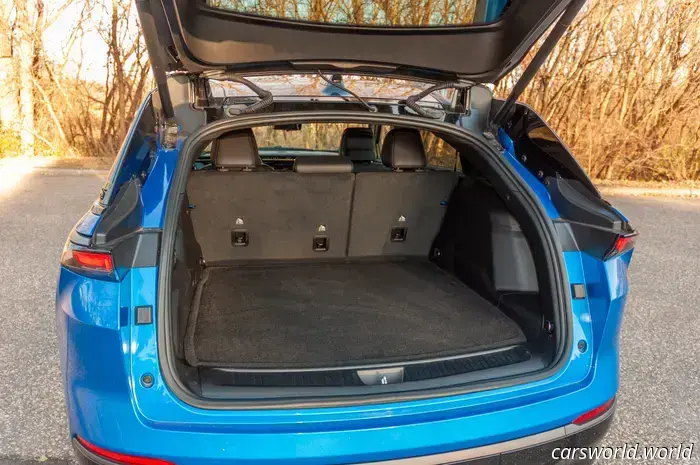
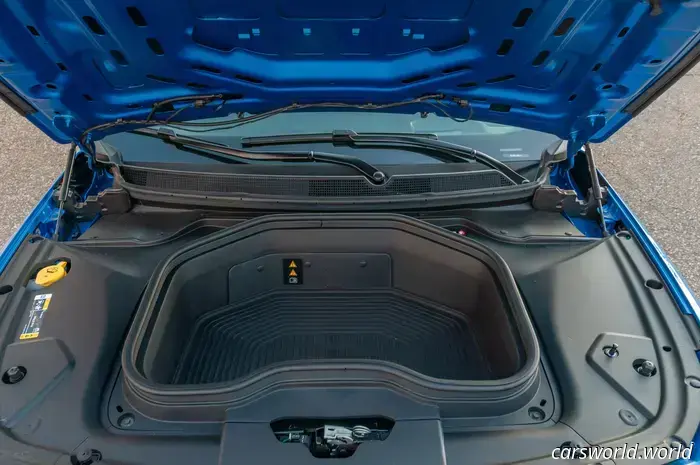
The front and rear seats provided ample room for comfort on road trips. My kids had no complaints. The front trunk space is relatively small compared to, for instance, a Rivian, accommodating about 3 cubic feet. The rear offers a respectable 30.6 cubic feet with extra room beneath a false floor. However, the design is notably hindered by the steep angle of the rear glass, making it difficult for taller items in the cargo area. Folding down the second row expands the space to 61 cubic feet.
Joel Feder
Driving the 2025 Jeep Wagoneer S
On paper, the Wagoneer S appears quite impressive. The dual-motor powertrain in the Launch Edition boasts 600 horsepower and 617 lb-ft of torque, powered by a 100.5-kWh lithium-ion battery operating on a 400-volt electrical system. Why not an 800-volt system, which Stellantis developed for




Other articles
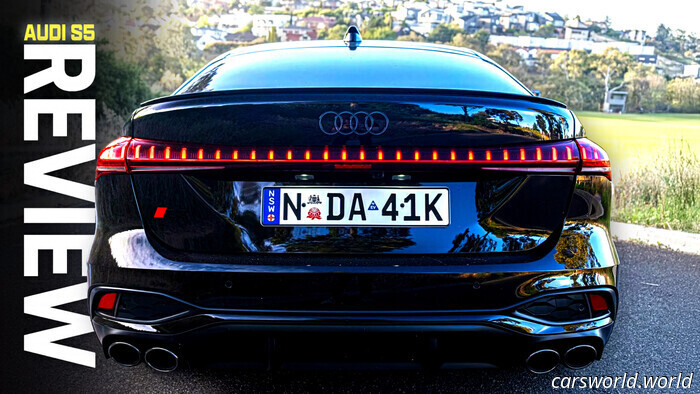 The 2026 Audi S5 Sedan Is Improved, Yet One Feature Detracts From It | Review | Carscoops
The 2026 S5 features an upgraded chassis and an agile hybrid V6, making it noteworthy, despite its interior having potential for enhancement.
The 2026 Audi S5 Sedan Is Improved, Yet One Feature Detracts From It | Review | Carscoops
The 2026 S5 features an upgraded chassis and an agile hybrid V6, making it noteworthy, despite its interior having potential for enhancement.
 The Speed Limit in Texas Might Now Alter While You’re Driving | Carscoops
Texas is introducing digital speed limit signs that change in real time based on weather, traffic conditions, and hazards, with new regulations already implemented on certain roadways.
The Speed Limit in Texas Might Now Alter While You’re Driving | Carscoops
Texas is introducing digital speed limit signs that change in real time based on weather, traffic conditions, and hazards, with new regulations already implemented on certain roadways.
2025 Jeep Wagoneer S Review: Regrettably Incomplete
The initial electric Jeep had the potential to be excellent, but it isn't... at least not for now.